
How to Lose Belly Fat Naturally in a Week (What’s Actually Possible + a 7-Day Plan That Works)
TL;DR: If you’re asking how to lose belly fat naturally in a week, you won’t eliminate all belly fat in 7 days, but you can absolutely see visible, real changes. Combining a moderate calorie deficit, high-fiber whole foods, HIIT workouts, quality sleep, and stress management can reduce bloating, shed water weight, and kick-start genuine fat loss within one week. This post gives you the honest science behind what’s possible and a practical day-by-day plan to make it happen starting today.
If you’ve been searching for how to lose belly fat naturally in a week, you’ve probably already seen the promises. “Lose 10 pounds in 7 days.” “Flatten your stomach overnight.” The internet is full of bold claims, and most of them are exactly that: claims.
Here’s the truth, and it’s actually more encouraging than those promises. According to Johns Hopkins Medicine, losing even a small percentage of body weight can significantly reduce visceral belly fat, the deep, metabolically active fat surrounding your organs. And that process can genuinely start in week one.
What you experience in seven days won’t be a total transformation. But you can reduce bloating, drop water weight, improve your gut health, and begin real fat loss, all at the same time. That’s a win worth celebrating.
We’ve seen, time and again, that the people who get the best results in week one aren’t the ones with the most willpower. They’re the ones with the clearest, most realistic plan. This post gives you exactly that: the science, the strategy, and a full 7-day blueprint built for real life. You’ll find practical healthy living strategies woven throughout, because sustainable results always start with sustainable habits.
Let’s get into it.
Can You Really Lose Belly Fat Naturally in a Week?
Yes, you can make meaningful progress on belly fat in one week, but it helps to know what “progress” actually looks like. In seven days, most people can realistically reduce bloating (which can look like several inches), lose 1-3 pounds of water weight, and begin burning stored fat. Visible, measurable change is absolutely possible. A complete transformation is not, and that’s okay.
Here’s why this distinction matters.
There are two types of belly fat. The first is subcutaneous fat, which sits just under your skin. It’s the soft, pinchable kind. The second is visceral fat, which wraps around your internal organs. According to Harvard Health Publishing, visceral fat is the more dangerous of the two because it’s linked to heart disease, type 2 diabetes, and inflammation. The good news? It’s also the more responsive type. Visceral fat reacts faster to lifestyle changes like diet and exercise than subcutaneous fat does.
So when you start eating better, moving more, sleeping well, and managing stress, your body starts shrinking the fat that matters most. You may not see dramatic changes in the mirror after one week, but your waistline, energy levels, and internal health markers will all shift in the right direction.
Here’s what a realistic week of effort can deliver:
| What’s Possible in 7 Days | What’s Not Realistic in 7 Days |
| Reduced bloating (1-3 inches) | Complete belly fat elimination |
| 1-3 lbs water weight loss | Losing 10+ lbs of actual fat |
| Improved gut health | Visible six-pack abs |
| Start of real visceral fat reduction | Permanent body transformation |
| Better energy and reduced puffiness | Spot-reducing fat in one area only |
Think of week one as your launchpad, not your finish line.
What Actually Causes Belly Fat?
Belly fat builds up for several interconnected reasons, and understanding those reasons is the fastest shortcut to losing it. The main culprits are excess calorie intake, high stress hormones, poor sleep, too much sugar, and physical inactivity.
These causes work together, which is why the most effective belly fat plans tackle more than one at a time.
Let’s look at each cause clearly:
1. Too many calories, especially from refined carbs and sugar
When you eat more calories than your body uses, it stores the excess as fat. Added sugars, especially fructose, are particularly problematic. Research published in the American Journal of Clinical Nutrition found a direct link between high fructose intake and increased visceral fat accumulation. Sugary drinks, white bread, pastries, and processed snacks are the biggest offenders.
2. Chronic stress and elevated cortisol
Cortisol is your body’s primary stress hormone. When stress stays high for too long, cortisol signals your body to store fat in the abdominal area. The Mayo Clinic identifies chronic stress as one of the most overlooked drivers of stubborn belly fat. This is why people who “eat well” but remain chronically stressed often struggle to lose their midsection weight.
3. Poor sleep
Sleep isn’t just rest. It’s your body’s fat-burning, hormone-regulating recovery time. The Sleep Foundation reports that adults sleeping fewer than 6 hours per night accumulate significantly more visceral belly fat over time. Short-term sleep deprivation also spikes cortisol and ghrelin (your hunger hormone), making you eat more and burn less.
4. Physical inactivity
A sedentary lifestyle slows your metabolism and reduces calorie burn throughout the day. Over time, this creates a consistent calorie surplus, even without major dietary changes.
5. Hormonal shifts
For women, menopause and hormonal fluctuations can shift fat storage patterns toward the belly. For men, declining testosterone as they age produces similar effects.
Knowing your personal triggers is powerful. If stress and poor sleep are your main drivers, no amount of crunches will fix the problem without also addressing those root causes.
The 5 Natural Strategies That Actually Work on Belly Fat
The five most effective natural strategies for losing belly fat are: creating a moderate calorie deficit through whole foods, increasing soluble fiber intake, combining HIIT with resistance training, drinking more water while cutting sodium, and prioritizing sleep alongside stress management. Used together, these strategies work faster and produce more lasting results than any single approach alone.
Here’s a deeper look at each one:
1. Create a Calorie Deficit with Whole Foods
A calorie deficit simply means you burn more calories than you consume. You don’t need to starve yourself to make this work. Research published in the NIH’s National Library of Medicine shows that a daily deficit of 500 to 750 calories results in roughly 1 to 2 pounds of fat loss per week, a safe, sustainable pace.
The smartest way to create this deficit is by replacing calorie-dense processed foods with nutrient-dense whole foods. Think lean proteins, vegetables, legumes, and whole grains. These foods fill you up faster and keep you full longer, so you naturally eat less without obsessing over every calorie.
2. Increase Soluble Fiber Intake
Soluble fiber dissolves in water and forms a gel in your gut. This gel slows digestion, feeds good gut bacteria, reduces appetite, and actively targets visceral fat. A study in the European Journal of Nutrition found that consuming just 10 grams of soluble fiber per day reduced belly fat by 3.7% over five years. Even in the short term, higher fiber intake reduces bloating and improves the gut environment within days.
Top sources of soluble fiber include:
- Oats
- Flaxseeds
- Legumes (lentils, black beans, chickpeas)
- Avocado
- Brussels sprouts
- Sweet potatoes
3. Use HIIT and Resistance Training Together
Exercise is essential, but the type of exercise you choose matters. High-intensity interval training (HIIT) has been shown by research in the Journal of Obesity to reduce abdominal fat more effectively than moderate-intensity continuous exercise over the same time period. HIIT works by elevating your heart rate in short bursts, which boosts your metabolism for hours after the workout ends.
But HIIT alone isn’t the complete picture. The British Journal of Sports Medicine found that combining aerobic exercise with resistance training produced the greatest reductions in belly fat compared to either type done in isolation. Resistance training builds lean muscle, which raises your resting metabolic rate and helps your body burn more fat around the clock.
You don’t need a gym. Bodyweight HIIT circuits, resistance bands, and simple compound movements like squats and push-ups are enough to activate these benefits.
4. Drink More Water and Cut Sodium
Water is one of the most underrated belly fat tools. Research published in the Nutrients Journal confirms that drinking 2 to 3 liters of water per day reduces appetite and caloric intake while also minimizing bloating. Water flushes out excess sodium, which is a major driver of water retention around the midsection. You can visibly reduce belly puffiness within 24 to 72 hours simply by increasing hydration and cutting processed, salty foods.
Swap soft drinks and juices for water, herbal teas, and sparkling water. Cut deli meats, canned soups, and restaurant food for the week if you can. The difference in how your belly looks and feels can be dramatic.
5. Prioritize Sleep and Manage Stress Actively
These two strategies often get overlooked because they don’t feel like “fat loss tactics.” But they’re some of the most powerful levers you can pull. The Sleep Foundation’s research shows that even one week of improved sleep reduces cortisol levels and supports better hormonal balance for fat burning. And the Mayo Clinic is clear: stress is a direct driver of abdominal fat storage.
Aim for 7 to 9 hours of sleep per night. For stress, even 10 minutes of daily deep breathing, walking, or journaling can meaningfully lower cortisol. These aren’t optional extras. They’re core to your results.
What to Eat (and Avoid) to Lose Belly Fat in a Week
Nutrition is where the biggest changes happen, and fast. You don’t need a complicated diet plan. You need a clear list of what to prioritize and what to cut for seven days.
Foods That Help Reduce Belly Fat
Focus on building your meals around these categories:
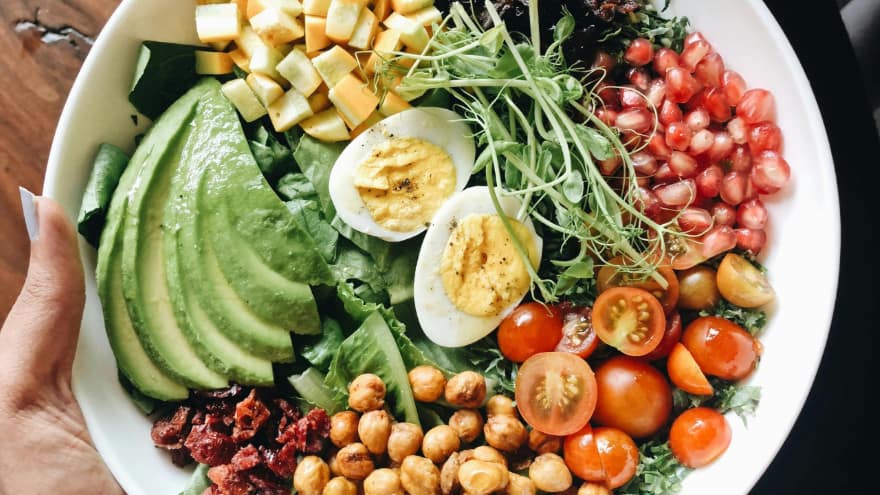
Lean Proteins: Chicken breast, turkey, eggs, Greek yogurt, canned salmon, tofu. Protein keeps you full, preserves muscle mass during a deficit, and requires more energy to digest than carbs or fat.
High-Fiber Vegetables: Spinach, kale, broccoli, cauliflower, Brussels sprouts, zucchini, and asparagus. These are low in calories and high in nutrients and fiber.
Healthy Fats: Avocado, olive oil, walnuts, almonds, and chia seeds. Healthy fats support hormone function and keep hunger stable.
Low-Glycemic Carbs: Oats, sweet potatoes, quinoa, lentils, and brown rice. These give you steady energy without the blood sugar spikes that trigger fat storage.
Anti-Inflammatory Foods: Berries, turmeric, ginger, and green tea. Chronic inflammation contributes to belly fat, and these foods help fight it directly.
Foods to Eliminate This Week
Cutting these for just 7 days will reduce bloating and kickstart fat loss:
| Foods to Cut | Why They Hurt Belly Fat |
| Added sugars (sweets, juices, sodas) | Directly increases visceral fat storage |
| Refined carbs (white bread, pasta, pastries) | Spikes blood sugar, promotes fat storage |
| Alcohol | Adds empty calories, impairs fat metabolism, increases cortisol |
| High-sodium processed foods | Drives water retention and belly bloat |
| Fried and fast foods | Calorie-dense, low-nutrient, inflammatory |
Research from Physiology & Behavior found that practicing mindful eating, which means slowing down, chewing thoroughly, and eating without distractions, reduced daily caloric intake by an average of 300 calories without any deliberate dieting. That’s a meaningful deficit from a simple habit shift.
A Simple Daily Meal Framework
You don’t need to count every calorie. Follow this structure:
- Breakfast: High-protein base + fiber-rich carb + healthy fat (example: Greek yogurt with oats and berries)
- Lunch: Lean protein + large serving of vegetables + small portion of complex carbs (example: grilled chicken with roasted broccoli and quinoa)
- Dinner: Lean protein + vegetables + healthy fat (example: baked salmon with asparagus and half an avocado)
- Snacks (if needed): A handful of nuts, an apple with almond butter, or a boiled egg
Keep portions reasonable. Fill half your plate with vegetables at every main meal. Drink a full glass of water before each meal to reduce hunger.
For more practical nutrition tips that work across different health goals, our broader wellness content digs into the dietary foundations that support long-term energy and wellbeing.
The 7-Day Natural Belly Fat Plan (Day-by-Day Breakdown)
This is where everything comes together. Each day has a clear focus, simple actions for nutrition and movement, and a recovery habit to support your results overnight. This plan is built for real people with real schedules. No extreme restrictions, no two-hour gym sessions required.
| Day | Focus | Nutrition Action | Movement | Recovery Habit |
| Day 1 | Kickstart and Clean | Cut sugar and alcohol, drink 2.5L water | 20-min brisk walk | Sleep 7-8 hrs, no screens 30 min before bed |
| Day 2 | Fiber and Fuel | Add oats + legumes, prioritize vegetables | 20-min HIIT beginner session | 10-min deep breathing before bed |
| Day 3 | Hydration and Movement | Increase water to 3L, cut sodium-heavy foods | 30-min resistance training (bodyweight) | Light stretching, 8 hrs sleep target |
| Day 4 | Protein and Recovery | Focus on lean protein at every meal | Active rest (30-min walk, yoga, or stretching) | Journaling or meditation for stress relief |
| Day 5 | Intensity Day | Eat clean, add anti-inflammatory foods | 25-min HIIT session + 10-min resistance work | Early bedtime, prioritize recovery |
| Day 6 | Consistency Day | Repeat best eating from Days 2-3 | 30-min resistance training + 20-min walk | Prepare meals for Day 7, reduce stress |
| Day 7 | Reflect and Recalibrate | Celebrate clean eating for the week | Light movement (walk, swim, yoga) | Measure progress, plan the next week |
How to Use This Plan
Don’t try to be perfect. Aim for 80-90% adherence. Missing one snack or skipping one workout won’t derail your progress. Consistency across the week is what produces results, not any single perfect day.
Track one simple metric each day. This could be your water intake, how many servings of vegetables you had, or whether you got 7+ hours of sleep. Tracking small wins builds momentum, and momentum is what turns a 7-day plan into a lifelong habit.
Pay attention to how you feel, not just how you look. After 7 days, most people notice better energy, less bloating, improved digestion, and clearer thinking before they notice big visual changes in the mirror. Those internal signs are proof the plan is working.
From personal observation over years of covering health and wellness topics, the readers who see the biggest results from short plans like this one are those who come in with the right expectations. They’re not trying to erase years of habits in a week. They’re trying to build a foundation that makes every week after this one easier.
That’s the real power of a 7-day reset.
How Does Exercise Help Lose Belly Fat Naturally?
The most effective exercise combination for burning belly fat naturally is HIIT (high-intensity interval training) paired with resistance training. HIIT spikes your metabolism during and after the workout, burning fat for hours. Resistance training builds lean muscle, which raises your baseline calorie burn permanently. Together, research shows this combination reduces abdominal fat faster than cardio or strength training done separately.
Here’s how to put this into practice without a gym membership:
HIIT Workouts for Belly Fat
A basic HIIT session involves alternating between short bursts of intense effort and brief rest periods. You don’t need equipment. Try this beginner-friendly circuit:
20-Minute HIIT Circuit (No Equipment):
- 40 seconds on / 20 seconds rest, repeat the circuit 3-4 times
- Jump squats
- Mountain climbers
- High knees
- Push-ups
- Burpees (modified or full)
This style of training creates what researchers call an “afterburn effect” (technically, excess post-exercise oxygen consumption). Your body continues burning calories at an elevated rate for up to 24 hours after the session ends.
Resistance Training for Belly Fat
Building muscle doesn’t mean getting bulky. It means your body burns more calories at rest, which directly supports fat loss. Focus on compound movements that engage multiple muscle groups at once:
- Squats and goblet squats
- Lunges
- Push-ups and rows
- Deadlifts (bodyweight or with light dumbbells)
- Plank variations
The British Journal of Sports Medicine confirms that combining these two exercise types beats either approach alone for reducing visceral abdominal fat.
What About Crunches and Ab Exercises?
Here’s a hard truth worth knowing: you cannot spot-reduce fat. Doing 200 crunches per day won’t specifically burn belly fat. It will strengthen your core muscles, which helps your posture and stability. But fat loss happens across your whole body based on your overall calorie deficit, not in the specific area you’re exercising. The strategies in this post, taken together, create the conditions for your body to lose fat from everywhere, including your belly.
For people looking to complement their fitness efforts with broader stress management techniques, reducing physical and emotional tension plays a direct role in how quickly your body releases stored abdominal fat.
Lifestyle Habits That Speed Up Belly Fat Loss
Beyond diet and exercise, the lifestyle habits that most dramatically affect belly fat are sleep quality, stress management, alcohol intake, and consistent hydration. These habits regulate the hormones (cortisol, ghrelin, insulin) that decide where your body stores and releases fat. Improving even two or three of these habits in a single week produces measurable results.
Let’s look at each one with the research to back it up.
Sleep: Your Underrated Fat-Burning Tool
The Sleep Foundation makes it clear: sleep deprivation is directly linked to greater visceral fat accumulation. When you sleep poorly, cortisol rises and ghrelin (the hunger hormone) spikes, which makes you crave high-calorie foods the next day. Over time, this creates a compounding cycle.
The fix doesn’t have to be dramatic. Getting 7 to 9 hours of sleep consistently, going to bed and waking at the same time each day, and cutting screen exposure for 30 minutes before bed can shift your hormonal environment within days. Improved sleep means better, better sleep habits translate to real reductions in cortisol-driven belly fat.
Stress Management: The Cortisol Connection
When you’re chronically stressed, your adrenal glands pump out cortisol continuously. Cortisol tells your liver to release glucose, and if that glucose isn’t burned off, it gets stored as fat, preferentially in the abdominal area. This is why people under sustained stress often gain belly fat even when they’re not overeating.
Practical daily stress reducers that actually work:
- 10-15 minutes of deep diaphragmatic breathing
- A 20-minute walk in nature
- Journaling for 5-10 minutes before sleep
- Digital detox periods (no phone during meals or after 9 PM)
- Yoga or gentle stretching
None of these require hours of your day. They just require consistency.
Intermittent Fasting: A Tool Worth Considering
Intermittent fasting (IF) isn’t a diet. It’s an eating schedule. The most popular approach is the 16:8 method: you eat within an 8-hour window and fast for 16 hours (most of which you’re sleeping). Research published in Cell Metabolism found that time-restricted eating reduced visceral adipose tissue and improved metabolic health markers, with early positive changes visible within the first week.
If you want to try IF during your 7-day plan, start simple. Stop eating after 7 PM, and have your first meal at 11 AM. Drink water, black coffee, or herbal tea during the fasting window. This approach doesn’t require changing what you eat, only when, and that alone can accelerate your fat-loss results.
Alcohol: The Hidden Belly Fat Driver
Alcohol delivers empty calories (7 calories per gram) with zero nutritional value. It also impairs your liver’s ability to metabolize fat, spikes cortisol, disrupts sleep architecture, and lowers your inhibition around food choices. Cutting alcohol entirely for just one week can reduce belly bloat noticeably within days.
A Quick Habits Comparison Table
| Habit | Effect on Belly Fat | Time to Notice Results |
| 7-9 hours sleep | Reduces cortisol, lowers hunger hormones | 2-3 days |
| Daily stress management | Lowers cortisol, reduces fat storage signals | 3-5 days |
| Cutting alcohol | Reduces bloating, improves fat metabolism | 24-48 hours |
| Intermittent fasting | Reduces visceral fat, improves insulin sensitivity | 3-7 days |
| Consistent hydration | Reduces bloating, suppresses appetite | 24-72 hours |
Building sustainable habits isn’t about willpower. It’s about stacking small, consistent wins until they become automatic. The people who lose belly fat and keep it off aren’t doing extreme things. They’re doing simple things, reliably.
Conclusion
Let’s bring this together with three takeaways you can act on right now.
First: Losing belly fat naturally in a week is genuinely possible, but the results look like reduced bloating, better energy, and the start of real visceral fat loss, not a six-pack. That’s still a powerful win. Second: The strategies that work aren’t complicated. Eat whole foods in a moderate deficit, add soluble fiber, do HIIT and resistance training, drink more water, sleep well, and manage your stress. These aren’t trends. They’re the habits that science consistently supports. Third: Week one is a launchpad. The 7-day plan in this post is designed to give you fast, visible results and build the habits that make week two, three, and beyond progressively easier.
Start today. Pick one action from Day 1 of the plan and do it before you close this tab. Progress compounds, and every step forward is worth celebrating.
For more content that bridges science-backed health advice with real-world results, explore the full library of healthy living strategies at Rejoice Winning. You’ve got this.
Frequently Asked Questions
1. Can you lose belly fat in 7 days without exercise?
You can make progress on belly fat in 7 days through diet alone, but exercise significantly speeds up the process. Cutting added sugar, reducing sodium, increasing fiber and protein, and improving hydration can reduce bloating and trigger early fat loss without any exercise. However, even light movement like walking boosts results considerably, so adding some form of activity is strongly recommended.
2. How much belly fat can you realistically lose in a week?
Most people can lose 1 to 3 pounds of total body weight in a week through a combination of fat loss and water weight reduction. Research from the NIH shows that a daily calorie deficit of 500 to 750 calories produces about 1 to 2 pounds of actual fat loss per week. Bloating reduction can make the visual difference look even more significant in the short term.
3. Does drinking more water actually help reduce belly fat?
Yes, and the effects are faster than most people expect. Research published in the Nutrients Journal found that drinking 2 to 3 liters of water per day reduces appetite, lowers caloric intake, and reduces bloating by flushing excess sodium from the body. You can see a noticeable reduction in belly puffiness within 24 to 72 hours of increasing your water intake and cutting high-sodium foods.
4. Is it possible to target belly fat specifically with exercise?
No. Spot reduction is a persistent myth. No exercise targets fat loss in one specific area of your body. Fat loss happens systemically, meaning your body loses fat across all areas based on your overall calorie deficit and hormonal environment. However, belly fat (especially visceral fat) tends to respond faster to lifestyle changes than fat in other areas, according to Harvard Health Publishing, which means you will often notice your midsection changing as you progress.
5. What is the fastest natural way to reduce belly fat?
The fastest natural approach combines multiple strategies simultaneously rather than relying on one alone. Cutting sugar and sodium, increasing fiber and protein, doing HIIT workouts, improving sleep, and managing stress together produce faster results than any single tactic. According to research from Cell Metabolism, adding time-restricted eating (intermittent fasting) to this combination accelerates visceral fat loss even further, with measurable changes beginning in the first week.
About The Author