
What is Home Health Care for Elderly? Services, Costs, Medicare Rules, and How to Choose the Right Help
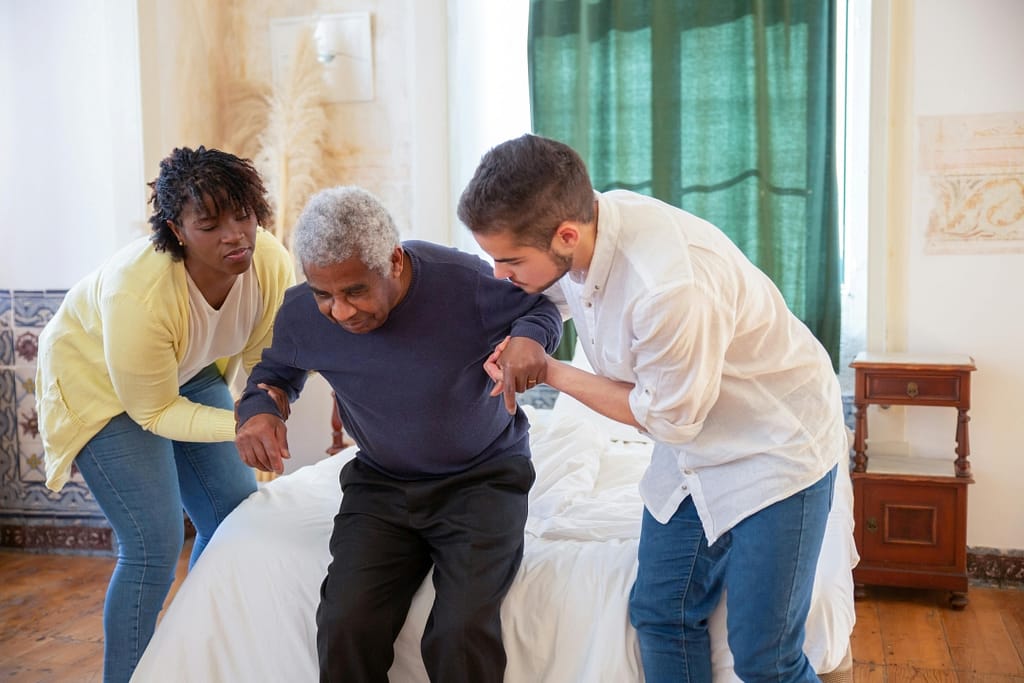
Home health care for elderly is care provided in an older adult’s home to help them stay safe, recover from illness, and live as independently as possible. It can include skilled medical care (like nursing or physical therapy) and, in many cases, supportive help with daily life (like bathing, meals, or companionship). Families often use it after a hospital stay, when chronic conditions get harder to manage, or when a spouse or adult child needs backup. The right plan depends on what your loved one needs, what insurance will cover, and how much help the family can realistically provide.
What is home health care for elderly?
Home health care for elderly means care delivered at home instead of in a hospital, clinic, assisted living facility, or nursing home. People use it for many reasons, but the goal stays the same: help an older adult live at home with more safety and support.
In the real world, “home health care” gets used in two different ways:
- Some people use it to mean skilled, medical home health (nursing, therapy, wound care).
- Others use it to mean non-medical help at home (bathing, cooking, housekeeping).
Both matter. But insurance, hiring, and expectations change a lot depending on which one you mean.
Home health care for elderly vs. home care (non-medical): what’s the difference?
Here’s the easiest way I explain it to families:
- Home health care (medical/skilled):
A clinician (often a doctor) orders it. Nurses and therapists provide care. Visits are usually short, scheduled, and time-limited—for example, a nurse comes twice a week for wound checks, or a physical therapist comes three times a week for gait training. - Home care (non-medical/personal care):
This is hands-on help with everyday life: bathing, dressing, toileting reminders, meals, laundry, light housekeeping, transportation, and companionship. It can be a few hours a week or many hours a day, and it can continue long-term if you can pay for it or qualify for a program that covers it.
If you’ve ever felt confused because one agency says “home health” and another says “home care,” you’re not alone. I’ve watched families think a nurse will be there “all day,” only to learn the nurse’s visit is 30–60 minutes. The fix is simple: get clear on what type of care you’re arranging and what the schedule will look like.
What in-home care really looks like day to day
A typical week might include:
- Monday: Physical therapist for strength and balance.
- Wednesday: Nurse visit to check blood pressure, weight, meds, and swelling.
- Friday: Occupational therapist to teach safer shower routines and set up grab bars.
And separately (if you hire non-medical help), you might have:
- Daily: A caregiver for 3–6 hours to help with bathing, meals, laundry, and safety supervision.
That split clinical visits + daily support is often what makes aging at home possible.
What services are included in home health care for elderly?
Home health care for elderly can include a wide range of services. What’s included depends on whether you’re using skilled home health (often tied to medical coverage like Medicare) or non-medical home care (often private pay or Medicaid/community programs).
Skilled medical services in home health care for elderly (nursing, PT/OT/SLP)
Skilled services commonly include:
- Skilled nursing care
- Monitoring vital signs and symptoms
- Medication teaching and management support
- Wound care and dressing changes
- Chronic disease education (like heart failure or diabetes)
- Physical therapy (PT)
- Strength, balance, walking safety, transfer training (bed/chair)
- Occupational therapy (OT)
- Bathing and dressing strategies
- Home safety recommendations
- Adaptive equipment training
- Speech-language pathology (SLP)
- Swallowing support
- Communication strategies after stroke or illness
- Medical social services
- Community resources, planning, and support for families
- Home health aide (when part of a skilled plan)
- Limited personal care support, usually tied to the skilled need
A practical place to confirm what counts as covered skilled home health is Medicare’s own home health services coverage page, which outlines what services can be covered and the conditions that apply: Medicare home health services coverage
Personal insight (from the field):
Families often assume “home health aide” means daily bathing help for months. Under many skilled home health setups, aide visits are limited and depend on the care plan. If your loved one needs daily personal care, you often need a separate home care arrangement.
Non-medical support (personal care, meals, companionship)
Non-medical home care commonly includes:
- Bathing, grooming, dressing
- Toileting support and incontinence care (non-medical)
- Meal prep and hydration reminders
- Light housekeeping and laundry
- Errands and grocery runs
- Transportation to appointments (varies)
- Companionship and supervision (important for memory loss and fall risk)
This type of care can be life-changing for families—especially when the main caregiver also works or lives far away.
Specialty support in home health care for elderly
Depending on local providers and the older adult’s needs, you may find:
- Dementia-friendly home care (routine-building, behavior support, safety supervision)
- Post-surgery recovery support (mobility, stairs, shower safety)
- Wound care expertise (nursing visits for ulcers, surgical wounds)
- Fall prevention coaching (PT + home safety setup)
- Palliative care at home (symptom relief and quality-of-life support, distinct from hospice)
Who needs home health care for elderly? Common scenarios
People don’t usually start home health care because everything is going great. They start because something changed.
After a hospital stay or surgery: home health care for elderly and safe transitions
One of the most common triggers is a hospital discharge: pneumonia, a fall, a joint replacement, a stroke, or a flare-up of heart failure or COPD.
This is the moment when mistakes happen:
- Medications change (and old meds don’t get stopped)
- The older adult feels weak and unsteady
- The family is exhausted and scared
- Follow-up appointments pile up fast
Home-based support helps reduce risk during that fragile “first few weeks.” Home safety and transition guidance aligns closely with patient safety principles described by AHRQ’s home settings safety resources: AHRQ home patient safety resources
What I’ve seen:
If you want home health to go smoothly, don’t wait until discharge day to ask. Ask in the hospital:
- “Is home health being ordered?”
- “Which agency are you sending the referral to?”
- “When will the first visit happen?”
That first visit timing matters. A gap of a week can be a big deal when someone is unsteady.
Managing chronic illness at home
Home health care for elderly can help when an older adult has:
- Heart failure (monitoring weight, swelling, shortness of breath)
- Diabetes (education, symptom monitoring, foot checks)
- COPD (breathing strategies, safe activity pacing)
- Parkinson’s (mobility, safety, daily routine support)
- Arthritis and chronic pain (safe movement, adaptive tools)
Even when care doesn’t “fix” a chronic condition, it can help the person function better and avoid preventable setbacks.
Frailty, fall risk, memory changes, and caregiver burnout
Sometimes the reason is simpler: “Mom is getting weaker,” “Dad keeps falling,” or “I can’t keep doing this alone.”
Common signs it’s time to consider home health care for elderly (or home care support):
- New falls or near-falls
- Trouble with bathing or stairs
- Missed medications or confusion about pills
- Weight loss, spoiled food, or poor meal habits
- Increasing forgetfulness or wandering risk
- Caregiver burnout (irritability, sleep loss, missed work)
For aging-in-place planning and safety, the National Institute on Aging has a practical overview that families can actually use: National Institute on Aging: aging in place
Medicare rules: Does Medicare cover home health care for elderly?
This is one of the most searched questions for a reason. Medicare rules can feel confusing, especially when you’re stressed and trying to set up help quickly.
Coverage of medicare basics for home health care for elderly
Medicare can cover certain home health services when a patient meets conditions like:
- A clinician certifies they need intermittent skilled nursing care or therapy, and
- The patient is generally homebound (leaving home takes considerable effort and is infrequent), and
- A clinician establishes and reviews a plan of care, and
- A Medicare-certified home health agency provides the services
The most reliable, current place to verify details is Medicare’s official coverage guidance:
Medicare home health services coverage
Real-life clarification (because this trips people up):
“Homebound” does not mean someone can never leave the house. Many people still go out for medical appointments, religious services, or occasional short outings. The key idea is that leaving home is difficult and not frequent.
What Medicare usually covers vs. doesn’t cover in home health care for elderly
Medicare commonly covers (when eligibility rules are met):
- Skilled nursing visits
- PT/OT/SLP therapy visits
- Medical social services (as needed)
- Some home health aide services when tied to skilled care
- Certain medical supplies related to the skilled need (depending on plan)
Medicare generally does not cover:
- 24/7 home care or “custodial care” alone (help with bathing and cooking without a skilled need)
- Long-term daily personal care when there is no skilled need
- Meals delivered to the home (in most cases)
- Homemaker services alone (like cleaning) when that’s the only need
If your loved one needs ongoing daily help, Medicare-funded home health may be only one piece of the plan. Many families combine short-term skilled home health with separate non-medical home care.
How long home health care for elderly lasts under Medicare (and what “intermittent” means)
Skilled home health is usually episodic. It starts after a hospital stay or a significant change in condition. It continues while:
- skilled care remains medically necessary, and
- goals remain reasonable and measurable, and
- the patient meets eligibility criteria
“Intermittent” typically means visits are not continuous or around the clock. Think: a few visits per week, tapering down as the patient stabilizes.
If Medicare denies home health care for elderly: practical next steps
Denials happen, and they don’t always mean “no forever.” Common reasons include:
- Missing documentation (homebound status not clearly documented)
- Skilled need not clearly supported
- Patient’s condition stabilized and no longer needs skilled intervention
What helps:
- Ask the ordering clinician to clarify the skilled need in writing
- Request a detailed explanation from the agency
- Review Medicare’s appeal pathways if you believe the denial is incorrect (your agency can guide you)

Costs: How much does home health care for elderly cost, and who pays?
Costs depend heavily on:
- Whether the care is skilled home health (often covered under Medicare when criteria are met)
- Whether the care is non-medical home care (often paid privately or through Medicaid programs)
- Number of hours per week
- Local labor rates and agency overhead
- Level of caregiver training needed
Because prices vary widely by region and provider, I won’t throw out “average hourly rates” without a specific, cited dataset for your location. Instead, here’s a clear framework that helps families estimate and plan.
Cost drivers for home health care for elderly (what actually changes the bill)
Key drivers:
- Hours per week: the biggest driver for non-medical care
- Level of care: companion vs personal care vs dementia support
- Agency vs independent caregiver: agencies often cost more but provide backup coverage and supervision
- Scheduling needs: nights, weekends, and short shifts can cost more
- Special requirements: lifting assistance, two-person transfers, behavior support
Who pays for home health care for elderly? (simple overview)
Common payers:
- Medicare: limited to covered home health services when eligibility rules are met
- Medicaid: may cover longer-term personal care services in many states (rules vary)
- VA benefits: may support in-home care for eligible veterans
- Long-term care insurance: depends on policy terms
- Private pay: common for ongoing home care hours
- Family caregiving: still fills gaps even with paid help
Quick comparison table: service types vs. common payment sources
| Service type | Example | Often covered by Medicare (if eligible) | Often covered by Medicaid (varies) | Often private pay |
| Skilled nursing | Wound care, assessments | Yes | Sometimes | Sometimes |
| Therapy (PT/OT/SLP) | Balance training, ADL training | Yes | Sometimes | Sometimes |
| Home health aide (limited, tied to skilled) | Bathing help during episode | Sometimes | Sometimes | Yes |
| Ongoing personal care | Daily bathing, dressing, meal prep | No (if only custodial) | Often (program-dependent) | Very common |
| Companionship/supervision | Safety oversight, social support | No | Sometimes | Very common |
How to choose a home health care provider for elderly (quality + safety)
Choosing care is stressful. You’re letting someone into your loved one’s home, and you’re trusting them with health and safety. You want a provider who is competent, consistent, and easy to communicate with.
Agency vs. independent caregiver for home health care for elderly
Here’s a straightforward comparison.
| Option | Pros | Cons | Best for |
| Home health agency (skilled) | Medicare-certified, clinician oversight, structured documentation | Visits are time-limited; not hourly companionship | Post-hospital care, rehab, skilled needs |
| Home care agency (non-medical) | Screening, scheduling help, backup staff, supervision | Higher hourly cost; caregiver fit can vary | Ongoing daily help, respite, supervision |
| Independent caregiver | Potentially lower cost; consistent person | You manage payroll/taxes, backups, vetting | Families who can manage logistics |
Credential checks and safety checks you should actually do
For agencies:
- Confirm they are licensed (state rules vary) and, if relevant, Medicare-certified
- Ask how they screen and train staff
- Ask how they handle missed shifts and emergencies
- Ask who supervises aides and how often
For independent caregivers:
- Background check (use reputable services)
- Verify references (call them)
- Confirm certifications if they claim CNA/HHA training (varies by state)
- Put schedules, duties, and pay in writing
Use Medicare tools to compare home health agencies
If you’re choosing a Medicare-certified home health agency, you can compare quality information using Medicare’s official comparison tool: Medicare Care Compare
How I recommend using it (simple and realistic):
- Compare 3–5 agencies in your ZIP code
- Look for patterns (not perfection)
- Then call your top 2 and ask about:
- earliest start date
- how they communicate with families
- weekend coverage
- who to contact after hours
Interview questions checklist (save this)
Use these questions whether you’re hiring an agency or an individual, about:
Care and safety
- “What’s your plan if my parents refuse a shower or refuse meds?”
- “How do you reduce fall risk during transfers?”
- “What do you do if you notice new confusion, fever, swelling, or shortness of breath?”
Communication
- “Who is my main point of contact?”
- “How will visit notes be shared with the family?”
- “How quickly do you return calls?”
Staffing
- “How do you match caregivers to clients?”
- “If the caregiver calls out, what happens?”
- “Can we request the same person consistently?”
Creating a care plan that actually works (and reduces stress)
Most home health care plans fail for boring reasons—not dramatic ones. The care might be clinically correct, but the system around it falls apart.
Start with goals (not hours)
Instead of starting with “We need someone 5 days a week,” start with:
- “We need Dad to shower safely twice a week.”
- “We need Mom to walk from bed to bathroom without falling.”
- “We need meds taken correctly.”
- “We need someone to check in so I can sleep.”
When you set clear goals, you can match services better:
- PT for strength and balance
- OT for shower safety and daily routines
- Aide for bathing
- Companion care for supervision
Set up a simple communication system
I push families to keep it simple:
- One family “quarterback” (main contact)
- A current medication list on the fridge (updated after every appointment)
- A notebook or shared doc for:
- questions for the nurse/therapist
- what changed this week
- next appointment dates
If you’ve ever had five siblings texting different caregivers with different instructions—yes, that causes problems. A single point of contact fixes a lot.
Home safety basics for home health care for elderly (falls, bathroom, lighting, meds)
Home safety changes don’t need to be fancy. They need to be consistent.
Common, high-impact steps:
- Remove loose rugs and clutter in walkways
- Improve lighting in hallways and bathroom paths
- Add grab bars and non-slip mats in the shower
- Use a shower chair if recommended
- Keep commonly used items within easy reach
- Review medications regularly; use a pill organizer if appropriate
For practical aging-in-place planning, the National Institute on Aging’s aging-in-place guide gives a solid, family-friendly overview: National Institute on Aging: aging in place
For patient safety in the home setting (including medication safety and fall prevention concepts), AHRQ also provides helpful resources: AHRQ home patient safety resources
Red flags: when to reassess home health care for elderly (or change providers)
You should reassess if you notice:
- Frequent missed visits or late arrivals without clear communication
- Unclear documentation or “we don’t know what they did today”
- Your loved one seems worse after visits (pain, fear, agitation)
- New bruises, skin breakdown, or repeated hygiene issues
- Billing confusion or pressure to sign unclear agreements
- Your gut says something is off—and you can’t get answers
Home health care for elderly: a realistic “what to do next” roadmap
When families call me in a panic, I try to slow it down and use a simple order of operations.
Step 1: Clarify what you need (skilled care, non-medical help, or both)
Ask:
- Are we trying to recover from something (surgery, hospitalization)?
- Are we trying to maintain safety day to day?
- Are we trying to give the caregiver a break?
Different goals point to different services.
Step 2: Ask the doctor (or discharge planner) for the right referrals
If you think you need skilled home health:
- Ask the clinician to order home health
- Confirm the agency is Medicare-certified if you plan to use Medicare
- Ask when the first visit will happen
To understand Medicare’s criteria in plain language, use Medicare’s coverage page as your baseline reference: Medicare home health services coverage
Step 3: Make the home “care-ready”
Before the first visit:
- Have a medication list ready
- Clear walkways
- Put important phone numbers on the fridge
- Decide who will be present for visits (if possible)
Step 4: Reassess at 2 weeks
Two weeks is usually enough time to know:
- Is the schedule realistic?
- Is the caregiver a fit?
- Are goals being met?
- Do we need more hours—or fewer?
Home health care for elderly and data: how common is it?
Home health is a major part of long-term care in the U.S., and the best place for a high-level snapshot is the CDC’s National Center for Health Statistics. If you want a data-backed overview of the home health landscape, you can start here: CDC home health care FASTATS
I like using CDC data in content because it keeps the conversation grounded: home health care isn’t a niche service. It’s a core part of how older adults receive care outside hospitals and facilities.
Home health care for elderly for dementia: special planning tips (often overlooked)
Many general articles mention dementia, but they skip the “how.” Dementia care at home can work well, but it needs planning.
Key adjustments that help:
- Keep a consistent daily routine (same wake time, meals, bathing)
- Use simple cues (labels on drawers, a calendar, a visible clock)
- Reduce trip hazards and confusing patterns (busy rugs, mirror glare)
- Lock up dangerous items (cleaners, sharp tools)
- Plan for wandering risk (door alarms, ID bracelet if appropriate)
Personal note:
I’ve seen families hire a caregiver with great “senior care” experience who has never handled memory loss. The caregiver gets frustrated, the older adult gets anxious, and everyone feels like they failed. If dementia is part of the picture, ask directly:
- “What dementia training do you have?”
- “How do you handle agitation or refusal?”
The right experience changes everything.
Home health care for elderly and medication management: what keeps people safest
Medication issues are one of the biggest reasons older adults end up back in the ER. At home, the risk goes up because:
- multiple prescribers change meds
- pill bottles pile up
- vision problems and memory issues interfere
Practical steps that help (without overcomplicating it):
- Keep one “master medication list” and update it after every appointment
- Use one pharmacy when possible
- Ask for easy-open caps if arthritis makes bottles hard
- Set alarms or use a weekly pill organizer (if appropriate and safe)
- Have the nurse/clinician do a medication review after discharge when possible
For broader home-setting safety concepts, AHRQ’s home resources are a solid reference point:
AHRQ home patient safety resources
A simple checklist: getting started with home health care for elderly this week
Use this as your “do something today” list:
- Write down the top 3 problems (falls, meds, bathing, meals, confusion, etc.)
- Call the doctor/hospital discharge planner and ask about a home health referral (if skilled needs exist)
- Decide who will be the main family contact
- Gather medication list + recent discharge paperwork
- Make the home safer (clear walkways, add lighting, set up shower safety basics)
- If you need ongoing daily help, call 2–3 home care agencies and ask about minimum hours, caregiver matching, and backup coverage
- Reassess after 2 weeks and adjust the plan
Conclusion: What is home health care for elderly—and why does it matter?
Home health care for elderly is one of the most practical ways to support older adults at home—whether they’re recovering from an illness, managing chronic conditions, or simply getting more unsteady with age. The best outcomes happen when families match the right type of care to the right goal: skilled home health for medical needs and therapy goals, and non-medical home care for daily living support and safety. Use trustworthy references like Medicare’s coverage rules, compare providers carefully, and keep the plan simple enough to run without burning out the family. When you get the basics right, home can stay a safe place, not a stressful one.
Home health care for elderly FAQs
- What is home health care for elderly, in simple terms?
Home health care for elderly means getting care in the older adult’s home. It can include medical visits (nurses/therapists) and/or non-medical help (bathing, meals, companionship) depending on the situation and how it’s paid for.
- What services does home health care for elderly include?
It can include skilled nursing, PT/OT/SLP therapy, social work support, and sometimes a home health aide as part of a skilled plan. Many families also use non-medical home care for daily personal care and supervision.
- Who qualifies for home health care for elderly under Medicare?
Medicare coverage depends on meeting criteria like needing intermittent skilled care, being generally homebound, and having a clinician-certified plan of care. The clearest explanation is on Medicare’s official page: Medicare home health services coverage
- How much does home health care for elderly cost?
Costs depend on whether services are Medicare-covered skilled home health or privately paid non-medical home care. For non-medical care, the biggest cost driver is the number of hours needed each week.
- How do you choose a high-quality home health provider?
Start by confirming credentials and supervision, then compare agencies and ask direct questions about communication and reliability. For Medicare-certified agencies, you can use:
Medicare Care Compare
- Can home health care for elderly be temporary?
Yes. Skilled home health is often temporary and goal-based (for recovery or stabilization). Non-medical home care can be temporary (respite) or long-term depending on needs and budget.
- Is home health care for elderly the same as hospice?
No. Hospice is for people with a terminal diagnosis who choose comfort-focused care. Home health care can be used for recovery, chronic disease management, and safety support, and it does not require a terminal diagnosis.
About The Author