

1. Introduction
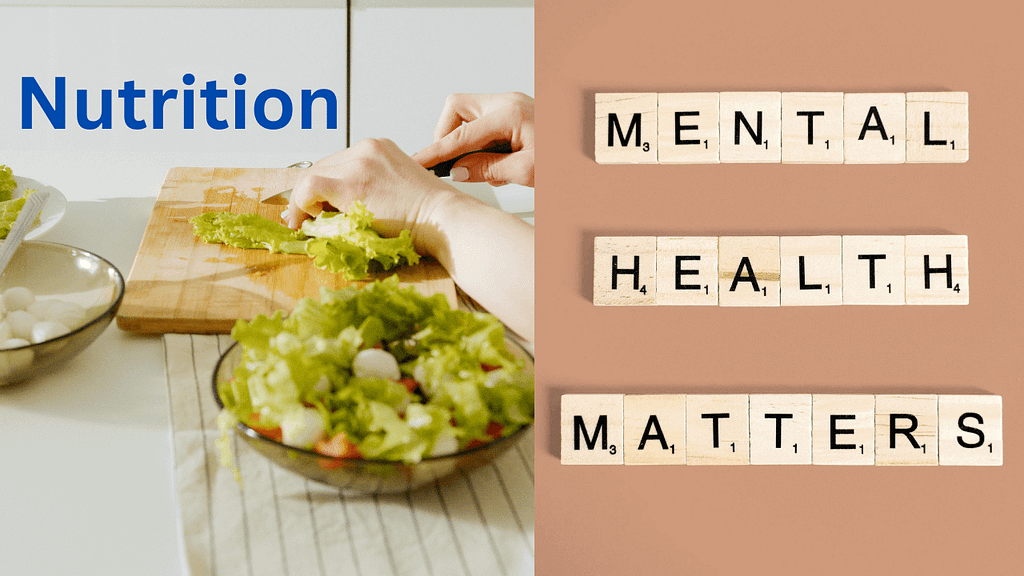
Research increasingly demonstrates that what we eat profoundly influences not just our physical health but our mental well-being as well. Imagine waking up on a gray Monday morning, staring at your cereal that’s more sugar than substance—and feeling, well, bleaker than the cloudy sky outside. Now rewind to another day when you dive into a rainbow-hued bowl of berries, nuts and leafy greens—and feel a spark of clarity, energy and even optimism. It’s not just in your head: what we eat literally shapes how we feel. This comprehensive report shows how does nutrition affect mental health?, by exploring the mechanisms involved and specific dietary patterns that can positively impact psychological well-being.
Why it matters: Rising rates of mood disorders and the promise of nutritional psychiatry
Depression, anxiety and stress-related disorders are on the march worldwide, touching more than 300 million people. Traditional treatments—therapy, medications—are vital, but they don’t always move the needle. Enter nutritional psychiatry: a burgeoning field suggesting that tweaking your plate could be as powerful as tweaking your prescription. By harnessing the link between food and brain chemistry, we stand on the brink of a mental-health revolution.
What you’ll learn: Overview of mechanisms, diets, and actionable takeaways
In this deep dive, you’ll discover:
- Mechanisms at play — how the gut and brain chat via nerves, immune signals and bacterial by-products
- Powerful dietary patterns — the science behind mood-lifting menus like the Mediterranean diet and omega-3-rich plans
- Practical takeaways — simple swaps, pantry staples and when to call in the pros for a personalized nutrition blueprint
2. The Brain-Gut Axis: Where Mood Meets Microbes
2.1. Defining the gut-brain axis
Think of your digestive tract and your noggin as lifelong pen pals. The gut-brain axis is the bidirectional superhighway linking your belly to your brain—a dynamic conversation that dictates everything from your stress response to whether you reach for kale or cookies.
2.2. Communication pathways: immune signals, the vagus nerve, neurotransmitters & SCFAs
- Immune signals: Gut bacteria train your immune cells, shaping inflammation levels that directly influence brain function.
- The vagus nerve: This cranial “express line” carries electrical chatter from gut to brain in milliseconds—no airlines required.
- Neurotransmitters: Believe it or not, up to 90% of your body’s serotonin is produced in the gut, courtesy of specific microbes.
- Short-chain fatty acids (SCFAs): Bacteria-generated SCFAs like butyrate act as anti-inflammatory agents and fuel for brain cells.
2.3. Spotlight on the microbiome: stress resilience & inflammation markers
Groundbreaking research has pinpointed microbial signatures in people who shrug off stress like a Monday-morning email—versus those who fold under pressure. Stress-resilient individuals boast gut communities that dial down inflammation and fortify the gut barrier. Flip the script—when “bad” bugs overrun the gut, inflammation spikes, the gut lining weakens, and mental-health risks soar.
3. Nutrition as Brain Fuel: Quality Matters
3.1. Premium fuel vs. empty calories: why your brain craves whole foods
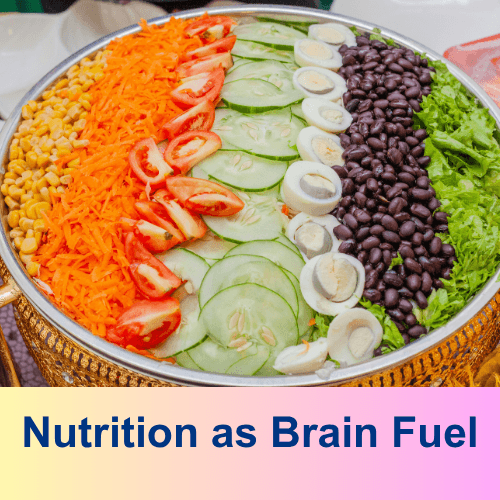
Your brain is the ultimate high-performance engine—consuming around 20% of your daily calories despite weighing only 2% of your body mass. Like any precision machine, it thrives on premium fuel: colorful fruits and vegetables, whole grains, lean proteins and healthy fats deliver a spectrum of vitamins, minerals and antioxidants that keep neural circuits humming. In contrast, “empty” calories from processed snacks and sugary drinks leave your brain running on fumes—starving cells of nutrients and inviting mood slumps.
3.2. The dark side of poor nutrition: refined sugars, inflammation & oxidative stress
Load up on donuts and soda, and you’re not just spiking your blood sugar; you’re lighting inflammation’s fire. Diets high in refined sugars disrupt insulin regulation and accelerate oxidative stress—think of it as cellular rust that chips away at healthy brain tissue. Chronic inflammation and free-radical damage are core culprits in mood disorders: more inflammation equals a higher risk of depression, anxiety and cognitive fog.
3.3. Real-world impacts: studies linking bad diets with depression and cognitive decline
The proof is in the plate. Multiple large-scale studies have found that people with diets rich in processed foods and sugary treats are significantly more likely to develop depression—and even show faster rates of memory loss over time. Conversely, individuals who swap refined snacks for whole-food alternatives report better mood stability, sharper focus and lower anxiety scores. In short: feeding your brain junk invites junky outcomes.
4. Dietary Patterns that Boost Mental Health
4.1. The Mediterranean miracle: evidence for easing depression symptoms
Dubbed the “Mediterranean miracle,” this plant-centric eating pattern isn’t just good for your heart—it’s a lifeline for your mind. A January 2024 review of 1,507 adults with depression found that those following a Mediterranean diet—brimming with vegetables, fruits, whole grains, legumes, nuts, fish and olive oil—experienced significantly greater relief from depressive symptoms than control groups. The combination of anti-inflammatory fats, fiber and phytonutrients makes this pattern a mental-health powerhouse.
4.2. Mood-boosting superfoods: fiber, antioxidants, prebiotics & omega-3s
Want a natural pick-me-up? Stock your kitchen with:
- Fiber-rich plants (beans, oats, berries) that feed good gut bacteria and stabilize blood sugar
- Antioxidant champions (dark leafy greens, colorful berries, nuts) that neutralize oxidative stress
- Prebiotic powerhouses (onions, garlic, asparagus) that nurture a balanced microbiome
- Omega-3 dynamos (oily fish, chia seeds, flaxseeds) that support neurotransmitter production and reduce inflammation
4.3. The ultra-processed problem: why convenience eats can ruin your mood
Frozen dinners, packaged snacks and fast-food runs may save time—but they often pack a triple threat of refined grains, added sugars and industrial fats. These foods erode gut health, fuel inflammation and destabilize blood sugar, leaving you more prone to mood swings, brain fog and even long-term mental-health risks. When every bite counts, ultra-processed convenience is a convenience you can’t afford.
5. Deep Dive: Omega-3 Fatty Acids
5.1. Breaking down EPA vs. DHA: what the meta-analyses tell us about depression
Not all omega-3s are created equal. Eicosapentaenoic acid (EPA) and docosahexaenoic acid (DHA) sit at the helm, but it’s EPA that steals the spotlight for mood. Recent meta-analyses of double-blind, placebo-controlled trials reveal that EPA-dominant formulations—especially pure EPA at doses ≤1 g/day—deliver clinically meaningful relief from depressive symptoms. By contrast, DHA-centric supplements fall short of that benchmark. In other words: if you’re chasing mood gains, check the label for high EPA content.
5.2. Anxiety relief at the molecular level: dose-response insights
Anxiety, meet your nemesis: omega-3s. A dose–response meta-analysis shows each additional gram of EPA/DHA per day trims anxiety symptoms by a moderate margin—but the sweet spot is around 2 g/day. Below that threshold, benefits plateau; above it, you won’t see much extra payoff. Crucially, these higher doses maintain a clean safety profile, with no uptick in adverse events versus placebo. It’s a precise prescription: 2 g/day of mixed omega-3s for maximal anxiolytic effect.
5.3. Beyond mood: omega-3s for cognition, neuroprotection & aging brains
Omega-3s shine far past the realm of mood. They bolster cognition, shield neurons from oxidative damage and even slow age-related decline. Mechanistically, they enhance membrane fluidity—supercharging neurotransmitter release—and dampen apoptosis by modulating cell-survival proteins. In one 26-week trial, older adults on marine omega-3 supplements saw a 26% leap in executive function compared to placebo, underscoring their potential as brain-preserving powerhouses.
6. Nutritional Psychiatry: The Next Frontier
6.1. A brief history: from dismissive past to emerging specialty
Not so long ago, the idea that food could influence mood was written off as woo. But mounting clinical and mechanistic data have given rise to nutritional psychiatry—a bona fide discipline bridging dietetics and mental health. From early observational links to today’s controlled trials and microbiome explorations, this field has sprinted from fringe hypothesis to hot ticket at psychiatric conferences.
6.2. Clinical applications: dietary interventions, probiotics & personalized protocols
Translating bench science to bedside, practitioners now prescribe targeted diets alongside—or even in place of—medications. Mediterranean-style meal plans, high-fiber prebiotic protocols and specific probiotic strains are being trialed for depression, anxiety and ADHD. The future? Personalized nutrition blueprints, guided by gut-flora profiles, genomic data and individual symptom patterns, ensuring each patient gets the precise microbial and nutrient nudge they need.
6.3. Challenges ahead: microbiome complexity and teasing out causality
No field of science scales complexity quite like the microbiome. With trillions of microbes, thousands of metabolites and myriad host factors, pinning down cause versus correlation is a monumental task. Add dietary diversity, genetics and lifestyle variables into the mix, and you’ve got a Gordian knot. Cutting through will require large-scale, longitudinal trials, advanced multi-omics and perhaps new statistical paradigms—but the payoff promises to rewrite how we nourish our minds.
7. Practical Takeaways & Action Plan
7.1. Simple swaps: from refined sugars to whole grains
- Breakfast boost: Ditch the sugary cereal for steel-cut oats topped with fresh berries and a drizzle of nut butter.
- Lunch upgrade: Swap white rice or pasta for quinoa, farro or brown rice to keep blood sugar (and your mood) even.
- Snack salvation: Trade candy bars for a handful of mixed nuts and a piece of dark chocolate (70% cocoa or higher).
7.2. Building your mood-food toolbox: pantry staples & supplement tips
- Pantry MVPs: Canned wild salmon (omega-3s), extra-virgin olive oil (anti-inflammatory fats), chickpeas and lentils (fiber + prebiotics), walnuts (plant-based omega-3), fermented foods like kimchi or sauerkraut (probiotic power).
- Supplement savvy: Choose an EPA-focused omega-3 supplement delivering about 1,000–2,000 mg of EPA daily. If you follow a plant-based diet, a B-complex (especially B12) can safeguard against mood-wreacking deficiencies.
7.3. When to consult a pro: working alongside mental-health practitioners
- Medication check: Always loop in your psychiatrist or prescribing physician before adding high-dose supplements.
- Personalized protocols: A registered dietitian—or, ideally, a nutritional psychiatrist—can tailor meal plans to your gut-health status, genetic makeup and mental-health profile.
8. Conclusion
8.1. Recap of the food-mood connection
From the gut-brain axis and premium brain fuel to mood-boosting patterns like the Mediterranean diet and targeted nutrients such as omega-3s, we’ve seen how every bite sends biochemical signals that shape our thoughts, feelings and resilience.
8.2. The promise of combining nutrition with traditional treatments
Nutritional psychiatry isn’t a replacement for therapy or medication—it’s a powerful ally. Merging evidence-based dietary interventions with conventional treatments offers a holistic roadmap to lift moods, sharpen cognition and fortify stress resilience.
8.3. Final thought: Empowering your plate, empowering your mind
Your next meal is an opportunity—a chance to invest in your mental well-being one forkful at a time. Fill your plate with whole foods, lean on research-backed supplements and harness the power of nutritional psychiatry. Because when you nourish your body, you ignite your mind.
About The Author



Your article helped me a lot, is there any more related content? Thanks! https://www.binance.info/register?ref=IXBIAFVY