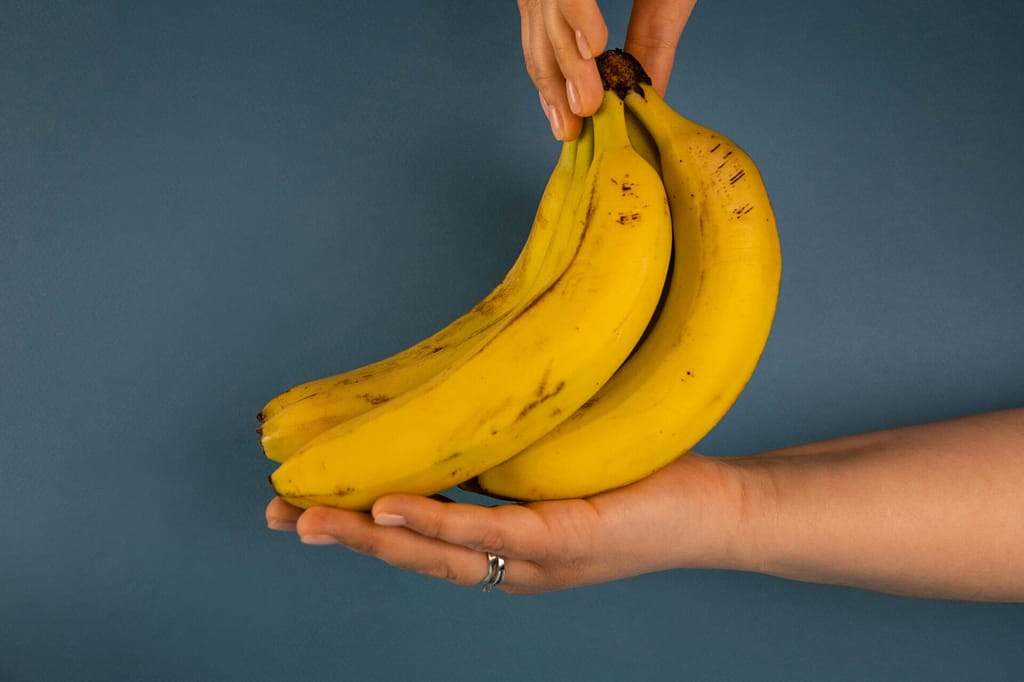

What Is the Nutritional Value of Banana? Calories, Carbs, Vitamins, and Health Benefits
Bananas have a strong nutritional profile for such a simple, everyday fruit. The nutritional value of banana comes mainly from its carbohydrates for quick energy, fiber for digestion and fullness, and key micronutrients like potassium and vitamin B6. A medium banana is moderately calorie-dense compared with watery fruits, but it still offers a lot of useful nutrition for the calories. If you want an easy fruit that travels well, supports training days, and fits into most eating styles, bananas usually earn their spot.
Nutritional value of banana at a glance
Banana nutrition facts for 100g and for 1 medium banana
Nutrition labels and tracking apps can get messy fast because “a banana” can mean anything from a small one to the comically large ones you see at some grocery stores. To keep this grounded in real data, I like to start with official nutrient references.
Using USDA FoodData Central nutrient data for raw banana as the baseline, here’s what you’re generally getting.
Table: Nutritional value of banana (raw)
Values vary by cultivar and size. Use as a practical reference, not a lab report.
| Nutrient | Per 100g banana (approx.) | Per 1 medium banana (approx. 118g) |
| Calories | ~89 kcal | ~105 kcal |
| Carbohydrates | ~23 g | ~27 g |
| Sugars | ~12 g | ~14 g |
| Fiber | ~2.6 g | ~3.1 g |
| Protein | ~1.1 g | ~1.3 g |
| Fat | ~0.3 g | ~0.4 g |
| Potassium | ~358 mg | ~422 mg |
| Vitamin B6 | ~0.37 mg | ~0.44 mg |
| Vitamin C | ~8.7 mg | ~10.3 mg |
| Magnesium | ~27 mg | ~32 mg |
Two quick “real life” notes from my own work helping people plan meals:
- People often undercount banana calories when they log “1 banana” but eat a large one. If you track, weigh it once or pick “medium” consistently.
- People also overreact to the sugar number. In a whole fruit, sugar comes packaged with water, fiber, and micronutrients, which changes how it behaves compared with candy or soda.
Macronutrients in banana: carbs, fiber, and protein
Most of the calories in bananas come from carbohydrates. That’s not a flaw; it’s the point. Fruit is meant to provide accessible energy along with vitamins, minerals, and plant compounds.
- Carbs: Great for quick fuel, especially around activity.
- Fiber: Helps with fullness and supports digestive regularity.
- Protein/fat: Bananas have very little, which is why a banana alone may not keep you full for long if you’re very hungry.
If you’ve ever noticed that a banana can feel “surprisingly filling” for its calories, fiber plays a big role. The way fiber impacts digestion and blood sugar is explained well in the Harvard T.H. Chan School of Public Health Nutrition Source overview of carbohydrates—fiber slows digestion and changes how quickly carbs hit your bloodstream.
Practical takeaway: if you want banana to “last longer” as a snack, pair it with protein or fat (ideas later in this post).
Micronutrients in banana: potassium, vitamin B6, vitamin C, magnesium
When people ask me about the nutritional value of bananas, they almost always bring up potassium first. That makes sense bananas are one of the most recognizable potassium foods.
Potassium
Potassium supports normal nerve and muscle function and helps regulate fluid balance. It also plays a role in blood pressure regulation as part of an overall diet pattern. The most reliable explanation (and the place I send health writers when they want to avoid hype) is the NIH Office of Dietary Supplements potassium fact sheet.
What matters in practice:
- Banana can contribute meaningfully to potassium intake, but it isn’t the only source.
- Potassium needs are daily needs, so consistency matters more than one “potassium bomb” food.
Vitamin B6
Bananas also provide notable vitamin B6, which supports protein metabolism and normal nervous system function among other roles. For precise, non-marketing language on what B6 does and how much people need, use the NIH Office of Dietary Supplements vitamin B6 fact sheet.
What matters in practice:
- If your diet is low in a variety of whole foods, banana can help fill small nutrient gaps.
- You still want a mix of foods; don’t rely on bananas as a “multivitamin.”
Vitamin C and magnesium
Bananas contain some vitamin C and magnesium. They are not top-tier sources compared with citrus (vitamin C) or nuts/legumes (magnesium), but they still add up across the day especially if you eat fruit regularly.
Nutritional value of banana for energy, workouts, and recovery
Why bananas work as a pre-workout snack
Bananas show up in gyms, on hiking trails, and in runners’ pockets for a reason: they are simple, portable carbs.
A banana works well before exercise because:
- It provides quick-to-digest carbohydrates
- It’s easy on many people’s stomachs
- It requires zero prep and no refrigeration (at least for a while)
From a coaching perspective, I’ve seen the best results when people match the banana timing to their gut:
- 30–60 minutes before training: banana alone often works.
- 60–120 minutes before training: banana plus a protein source often feels better (Greek yogurt, milk, or a simple protein shake).
If you train hard and you’re trying to improve performance, you usually need carbs. Banana is one of the simplest ways to get them without overthinking.
Potassium, cramps, and hydration: what bananas can and can’t do
People often say, “I’m cramping I need a banana.” Sometimes it helps, sometimes it doesn’t, and it’s not because bananas are “fake” or “overrated.” It’s because cramps have multiple causes (fatigue, pacing, heat, hydration strategy, electrolyte balance).
Potassium does matter for normal muscle and nerve function, but hydration and electrolyte needs are broader than a single nutrient. The NIH potassium fact sheet is a good reference if you want to understand potassium’s role without turning a banana into a miracle cure.
A more grounded approach:
- Use bananas as one part of a fueling plan.
- If you sweat heavily, consider a hydration strategy that includes sodium too (often the bigger gap for heavy sweaters).
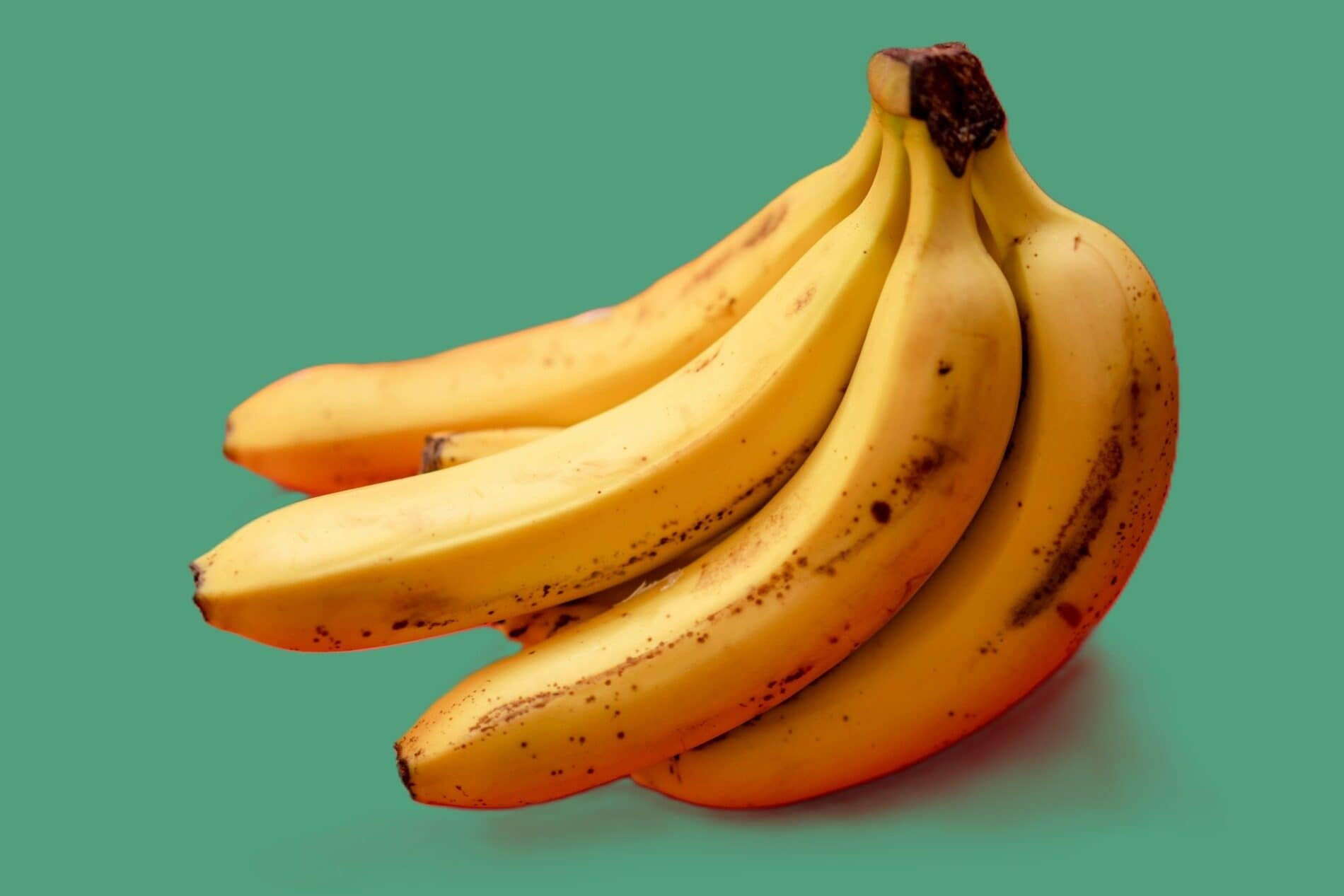
Nutritional value of banana for digestion and gut health
Fiber in banana and regularity
A medium banana offers roughly 3 grams of fiber based on USDA data. That’s not “fiber supplement” territory, but it’s a meaningful contribution for a snack you’ll actually eat consistently.
Fiber supports:
- More comfortable bowel movements (for many people)
- Fullness after eating
- A healthier overall diet pattern
The fiber story also links back to blood sugar steadiness. Harvard’s carbohydrate resource explains why fiber changes the digestion speed of carb foods: Harvard Nutrition Source: Carbohydrates.
My real-world observation: people who struggle to hit fiber targets usually do better when they build a “fruit habit” than when they try to brute-force fiber with one intense cereal or supplement. Bananas can be a reliable piece of that habit.
Green bananas, resistant starch, and what that means
Banana ripeness changes its carb makeup. Less ripe (greener) bananas contain more starch, including resistant starch. As bananas ripen, starch converts into simpler sugars, which is why ripe bananas taste sweeter.
What that means for you:
- Green-ish banana: often feels more “starchy,” sometimes more filling, sometimes harder to digest for sensitive guts.
- Ripe banana: tastes sweeter, usually digests easier for many people.
I’ve used green bananas in smoothies for clients who want a less-sweet option, but I also tell them to start small. If you have a sensitive gut, a very green banana can backfire.
Nutritional value of banana for heart health and blood pressure
Potassium’s role in blood pressure
Potassium helps balance sodium’s effects in the body and supports healthy blood pressure as part of an overall dietary pattern. This is where it’s especially important to stay evidence-based and avoid “banana lowers blood pressure” as a simplistic claim.
The careful, accurate framing lives in the NIH potassium fact sheet, which discusses potassium’s role and intake guidance.
Practical way to use this:
- If you eat a lot of packaged foods (higher sodium), adding potassium-rich whole foods can support a healthier overall balance.
- Bananas help, but so do beans, potatoes, leafy greens, dairy, and many other foods.
Bananas in a heart-healthy diet pattern
A heart-healthy pattern usually includes:
- Plenty of fruits and vegetables
- High-fiber carbs (including whole grains and legumes)
- Mostly unsaturated fats
- Reasonable sodium intake
- Regular physical activity
Bananas fit because they’re a whole food carb with fiber and potassium. They don’t “fix” a diet by themselves, but they can replace less nutritious sweets when you want something naturally sweet.
Nutritional value of banana for weight loss
Calories in banana vs satiety: the fiber advantage
For weight loss, bananas tend to sit in a helpful middle ground:
- More calories than berries (which are very water-rich)
- Still reasonable calories for the fullness they provide
- Easy to use as a “sweet craving” tool
A medium banana comes in around 105 calories (USDA-based estimate). That’s often less than a typical pastry, candy bar, or sweetened coffee add-on.
What I tell people who say “bananas are fattening”:
- Weight gain doesn’t come from one food. It comes from a pattern.
- Bananas can support weight loss if they help you stick to a calorie deficit without feeling deprived.
Table: Banana vs common snack choices (practical comparison)
These are typical portion comparisons; check labels and USDA entries for exact numbers.
| Snack | Typical portion | Why it might help (or not) |
| Banana | 1 medium | Sweet, portable, fiber + potassium; low protein |
| Chips | 1 small bag | Easy to overeat; low satiety per calorie |
| Candy | 1 bar | Concentrated sugar; minimal fiber |
| Banana + peanut butter | 1 medium + 1 tbsp | Better staying power; more calories but more satiety |
| Banana + Greek yogurt | 1 medium + ¾–1 cup | Higher protein; strong “meal-like” snack |
That last point matters: if the banana doesn’t keep you full, don’t blame the banana. Upgrade the pairing.
Portion strategy: small vs medium vs large bananas
Banana sizes vary, and calories follow size. If you want a banana daily while aiming for fat loss, portion awareness helps without turning food into math homework.
Easy strategies I’ve seen work:
- Choose small or medium bananas most days.
- Use half a banana in smoothies if you already add other carbs (oats, milk).
- Keep large bananas for higher-activity days, or treat them like a more substantial carb serving.
Nutritional value of banana for diabetes and blood sugar
How banana carbs and ripeness affect blood sugar response
Bananas contain carbs, so they do raise blood glucose. The more ripe the banana, the more its starch has converted into sugars, and the sweeter it tastes. Fiber can slow digestion, but it doesn’t remove the carbs.
To explain blood sugar impact clearly, I use two ideas:
- Total carbs matter (portion size matters).
- Food context matters (what you eat with the banana changes the response).
Harvard’s overview of carbs provides useful grounding on how different carb foods behave and why fiber matters: Harvard Nutrition Source: Carbohydrates.
Practical banana portions and pairing tips
Fruit can absolutely fit into a diabetes-friendly pattern. The American Diabetes Association explicitly includes fruit as part of healthy choices and focuses on smart portions and balance.
Practical ways to eat banana with steadier energy:
- Pair banana with nuts or nut butter (adds fat + some protein)
- Pair with Greek yogurt or cottage cheese (adds protein)
- Add banana to oatmeal but keep the banana portion moderate
- Choose less ripe banana if you prefer a less-sweet taste and you tolerate it well
Snack ideas that feel like real life (not a diet brochure):
- 1 small banana + 10–15 almonds
- ½ banana sliced into plain Greek yogurt + cinnamon
- Banana + peanut butter on whole-grain toast (portion-controlled)
If you use a glucose monitor, test your own response. People vary a lot.
Does the nutritional value of banana change with ripeness?
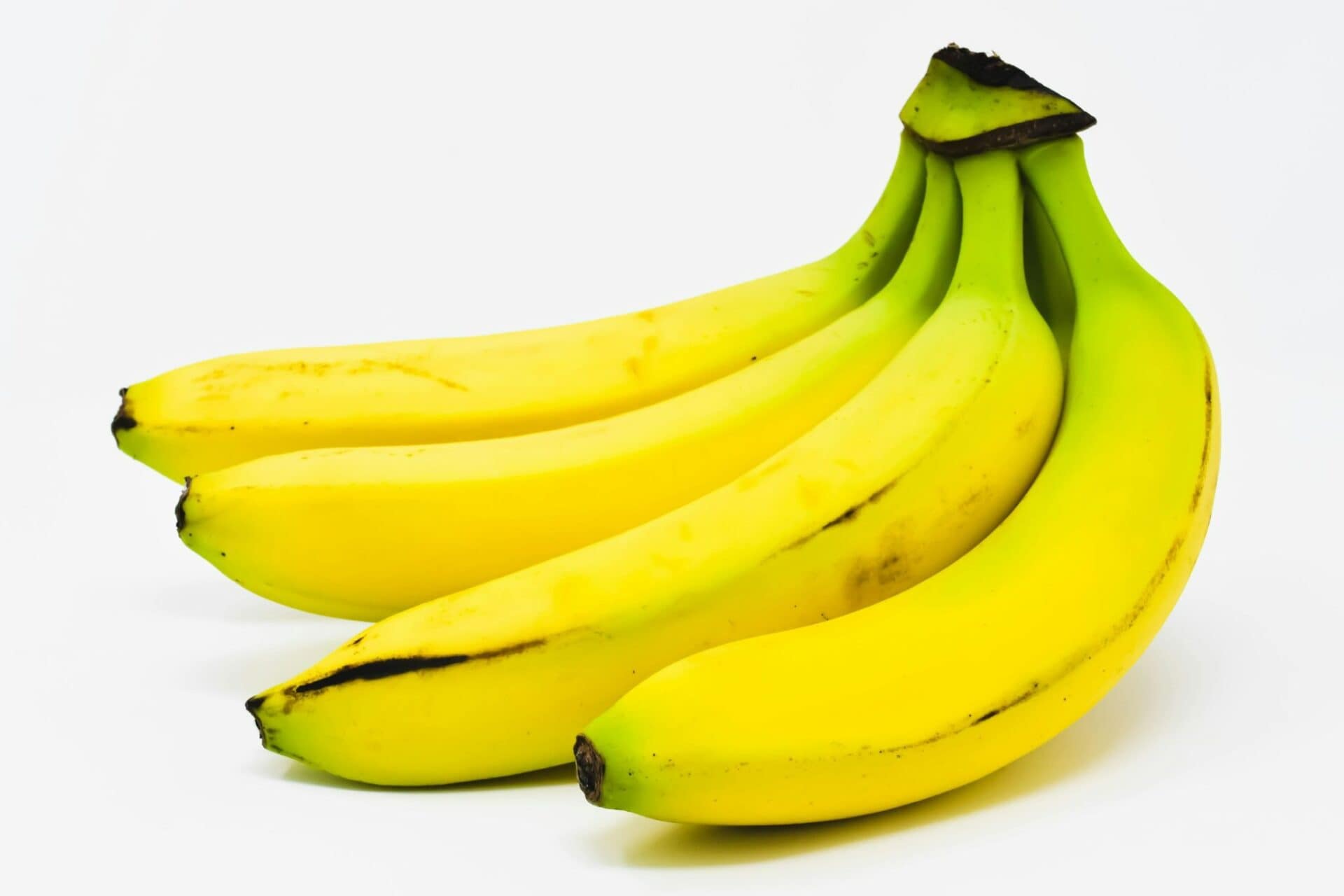
Green vs yellow vs brown: starch to sugar shift
Ripeness changes the banana’s carb profile:
- Greener: more starch (including resistant starch)
- More ripe: more simple sugars
This doesn’t mean ripe bananas are “bad.” It means they are sweeter and often easier to digest, while less ripe bananas are less sweet and more starchy.
From a cooking standpoint, I love this because it gives you options:
- Use ripe bananas for baking (they sweeten naturally).
- Use less ripe bananas when you want less sweetness.
Which banana is “best” for you?
Use this simple guide:
- If you want sweeter taste or an easier time digesting: choose yellow with some brown spots.
- If you want less sweetness and a firmer texture: choose yellow with a little green.
- If you want to use banana as a natural sweetener in recipes: choose very ripe.
There’s no moral hierarchy here. Pick the banana that fits your body and your meal.
Banana nutrition compared with other fruits
Banana vs apple vs orange
People often compare bananas to apples or oranges because they’re common lunchbox fruits.
In broad strokes:
- Banana tend to have more carbs and calories per piece than many apples or oranges (sizes vary a lot).
- Orange tends to be a stronger vitamin C player.
- Apple often has a different fiber profile and can feel filling, especially with the skin.
If you want exact comparisons for the fruits you actually buy, the most trustworthy approach is to look up each fruit in USDA FoodData Central and compare per 100g or per typical serving.
When banana is the better choice
Banana shines when you need:
- Convenient carbs for training or busy mornings
- A fruit that doesn’t bruise as easily as berries
- A naturally sweet ingredient for smoothies, oatmeal, or baking
I also see bananas help people who are trying to reduce ultra-processed snacks. A banana can be the “bridge food” that keeps you from hitting the vending machine at 3 p.m.
Who should be careful with bananas?
Kidney disease and potassium limits
If you have chronic kidney disease or you’ve been told to limit potassium, you should treat bananas carefully because they can contribute a meaningful amount of potassium.
The nuance here matters: not everyone needs potassium restriction, and needs differ by person and stage of disease. The safest general reference for potassium’s role and intake context is still the NIH potassium fact sheet, but you should follow your clinician’s personalized guidance.
IBS sensitivity and banana ripeness
Some people tolerate ripe bananas better than green ones, while others notice the opposite. If you have IBS-like symptoms:
- Track what ripeness level you ate
- Track the portion size
- Notice what you paired it with (dairy, protein powders, etc.)
This is one area where your own symptom pattern provides more value than generic advice.
Best ways to eat bananas to keep them “healthy”
Pairings that improve fullness and steadier energy
Because bananas are mostly carbs, pairing is the easiest upgrade you can make.
Try:
- Banana + peanut butter or almond butter
- Banana + Greek yogurt
- Banana + eggs (sounds odd until you try banana on the side of breakfast)
- Banana + chia pudding (fiber + fat + texture)
In my own routine, if I’m running out the door, I’ll grab a banana and a high-protein yogurt. It takes 10 seconds, and I don’t end up ravenous an hour later.
Quick recipes
These keep the nutritional value of banana intact while improving balance.
1) “Better” banana smoothie (not a sugar bomb)
- 1 small banana
- ¾–1 cup plain Greek yogurt (or unsweetened soy yogurt)
- 1 tbsp peanut butter
- Ice + water or milk to blend
- Cinnamon
2) Banana oatmeal that doesn’t spike hunger
- Cook oats
- Add ½ banana slices
- Add 1–2 tbsp chopped walnuts
- Add cinnamon and a pinch of salt
3) Frozen banana “nice cream” (simple version)
- Freeze banana slices
- Blend with a splash of milk
- Optional: cocoa powder or peanut butter
(If you’re watching blood sugar, keep the portion moderate and add protein/fat.)
Final takeaways
The nutritional value of banana is straightforward but genuinely useful: it’s a convenient whole-food source of carbohydrates, fiber, potassium, and vitamin B6. It works especially well for active days, quick breakfasts, and smarter snacking particularly when you pair it with protein or healthy fats. If you want to use bananas strategically, focus on portion size, ripeness, and what you eat alongside them.
FAQ: Nutritional value of banana
- What is the nutritional value of banana in simple terms?
A banana provides moderate calories, mostly from carbs, plus fiber and key nutrients especially potassium and vitamin B6. USDA nutrient data is the best baseline for exact values: USDA FoodData Central.
- How many calories are in a banana?
A medium banana is about 105 calories based on USDA-derived estimates (values vary by size). If you need precision, weigh your banana and compare it to USDA per-100g values.
- How many carbs and sugar are in a banana?
A medium banana has roughly 27g of carbs and 14g of sugar (approximate USDA-based values). The sugar is naturally occurring and comes with water and fiber.
- Is banana healthy for weight loss?
It can be. Banana has reasonable calories and decent fiber for a snack. Most people do best when they pair it with protein or fat for staying power.
- Are bananas good for diabetes?
Fruit can fit into a diabetes-friendly eating pattern with smart portions and pairings. The American Diabetes Association’s fruit guidance offers practical direction. Many people see a steadier response when they pair banana with protein/fat and manage portion size.
- What vitamins and minerals are in bananas?
Bananas contain potassium, vitamin B6, vitamin C, and magnesium, among others. For nutrient roles and intake guidance, the NIH fact sheets on potassium and vitamin B6 are reliable references.
- Does banana nutrition change as it ripens?
Yes. As bananas ripen, starch shifts toward sugars, which increases sweetness. Fiber and micronutrients stay broadly similar, but digestion and perceived sweetness change.
About The Author