
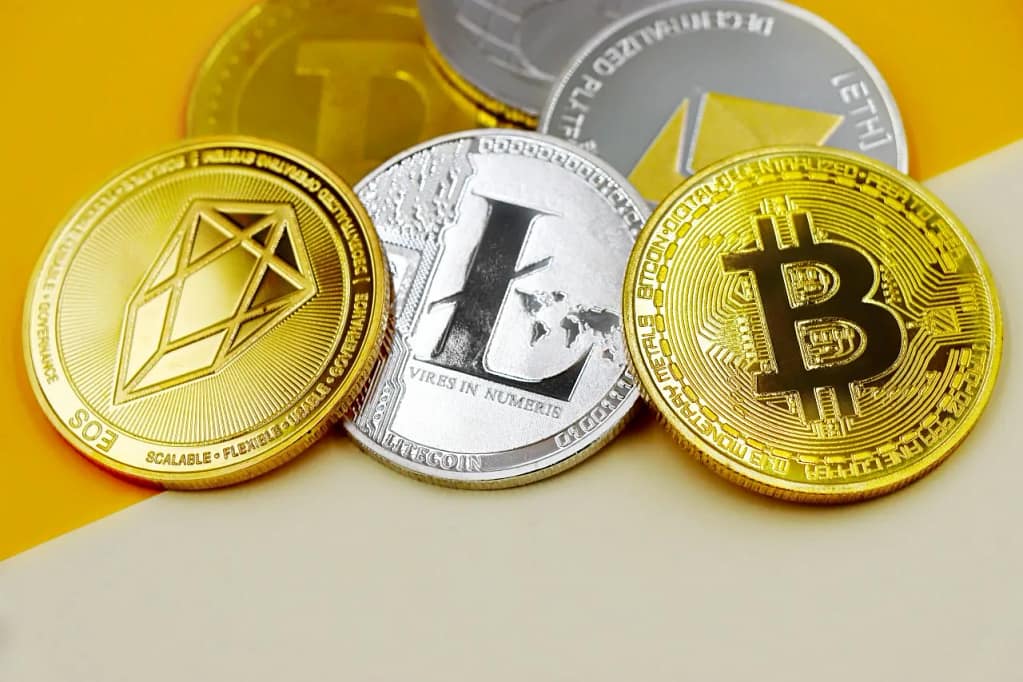

What to Know About Crypto & How to Avoid Scams: A No-Fluff Guide
You Bought Bitcoin, Woke Up Rich, and By Lunch It Was Gone
Let me guess—you saw the headlines. “Bitcoin hits $120,000!” (Yes, we’re talking July 2025 here.) Your cousin quit his job after turning $500 into $50,000. Your barista started moonlighting as a “crypto strategist”. And now you’re wondering: Is this real? Can I get in without getting played? Anyway, this guide lays out What to Know About Crypto & How to Avoid Scams without talking down to you or sugarcoating risk.
The double-edged sword of crypto.
I’ve been in this space for five years—not as some suit on Wall Street, but as someone who lost $3,000 to a fake NFT project in 2021, got phished once (yes, even experts slip up), and spent six months chasing a scammer’s wallet address through blockchain explorers like a digital detective. I’m not here to sell you moonshots or FOMO. I’m here to give you the truth—with receipts.
This guide is for people like you: curious, maybe a little overwhelmed, definitely not looking to gamble your rent money. You want to understand what crypto actually is, how it works in real life, and—most importantly—how to dodge the landmines that blow up newbies every single day.
By the end of this, you’ll know:
- What crypto really is (beyond memes and Elon tweets)
- Why it’s so different from your bank account—and why that matters
- The good, the bad, and the ugly of investing or using crypto
- How scammers operate (and exactly how to spot them before they strike)
- What to do if you get burned (because sometimes, despite your best efforts, stuff happens)
- How to buy, store, and use crypto without handing your keys to a thief
- What the future holds—and how to position yourself wisely
And yes—we’ll cover what to know about crypto & how to avoid scams in every major section. Not because someone told me to, but because it’s the only thing that matters if you want to survive—and thrive—in this wild, weird, wonderful world.
Let’s go.
Cryptocurrency: Beyond “It’s Digital Money”
Most beginner guides start with “Crypto is digital money.” That’s like saying airplanes are metal birds. Technically true. Utterly useless.
Here’s what you actually need to know.
What Is Cryptocurrency, Really?
At its core, cryptocurrency is digital value secured by cryptography (fancy math) and recorded on a decentralized ledger called a blockchain. No banks. No governments. Just code, consensus, and computers around the world keeping each other honest.
Think of it like this: if the U.S. dollar is a government-issued library card, crypto is a community-built bookshelf where everyone can see who checked out what—but no one can erase the record or sneak in a fake book.
The Big Four You Should Know:
- Bitcoin (BTC): The original. Digital gold. Store of value. Not great for buying coffee (slow, expensive), perfect for “I don’t trust the Fed.”
- Ethereum (ETH): More than money. It’s a global computer where apps (DeFi, NFTs, games) run without middlemen.
- Altcoins: Everything else. Some legit (Solana, Cardano), some scams dressed in glitter (we’ll get to those).
- Stablecoins: Crypto tied 1:1 to real-world assets (usually USD). USDC, USDT. Useful for avoiding volatility when trading or sending money.
Crypto’s Evolution (a quick timeline)
Think of this as a mini infographic you can scan:
- 2009: Bitcoin launches. Nerds rejoice.
- 2015: Ethereum goes live. Developers go nuts building stuff on it.
- 2020–2021: DeFi summer. People earn 20% APY lending crypto. Also, rug pulls explode.
- 2022–2023: Bear market. Scams get sneakier. Regulation starts creeping in.
- 2024–2025: Institutions arrive. Bitcoin ETFs approved. CBDCs tested. Crypto becomes… normal?
Why Decentralization Matters (And Why Scammers Hate It)
Decentralization means no single entity controls the network. That’s powerful. You can send money to anyone, anywhere, without asking permission. No frozen accounts. It’s not a 3-day hold. No “fraud department” deciding your transaction is sketchy.
But here’s the flip side: no customer service.
If you send crypto to the wrong address? Gone. If you get scammed? No chargeback button. If you lose your password? Say goodbye to your coins.
That’s why “not your keys, not your coins” isn’t a meme—it’s law.
How People Actually Use Crypto Today (Beyond YOLO Trading)
Yes, people speculate. But crypto’s real utility is quietly growing:
- Remittances: Filipinos receiving money from the U.S. save 5–10% in fees compared to Western Union.
- DeFi (Decentralized Finance): Lend, borrow, and earn interest—all without a bank. APYs vary wildly (and riskily).
- NFTs: Yes, JPEG monkeys. But also ticketing, art royalties, and game items you actually own.
- Staking: Lock up crypto to help secure a network → earn rewards. Like a savings account, but nerdier.
- Micropayments: Writers, artists, and creators getting paid per article, per minute, or per like—without PayPal skimming 30%.
Where It Lives: Wallets and Keys
Your crypto doesn’t sit “inside” a wallet the way cash sits in a leather bifold. It lives on the blockchain, and your wallet stores the keys that let you move it.
- Custodial wallets (exchange wallets): Coinbase, Robinhood Crypto, and others hold your keys. It’s easy and convenient, like using a bank. But if they freeze withdrawals or get hacked, you rely on their protections.
- Non-custodial wallets (you hold the keys): Apps like MetaMask or hardware wallets like Ledger and Trezor. You’re in charge—no recovery by customer support if you lose your seed phrase.
That famous line “not your keys, not your coins” isn’t a meme—it’s a truth. If you don’t hold the keys, you don’t fully control the assets.
Helpful links:
- Coinbase Learn: Coinbase Learn: Your crypto questions, answered
- Robinhood Crypto: Trade Crypto on Robinhood at One of the Lowest costs on Average
- Trezor (hardware wallet): https://trezor.io
How Crypto Differs from Traditional Money
Still thinking of crypto like Venmo? Stop.
Traditional money comes with guardrails. Crypto doesn’t. That’s the thrill—and the trap.
No Government Backing = High Risk, High Reward
Crypto isn’t backed by a government, and most crypto platforms aren’t insured like banks. Your Chase checking account? FDIC insured up to $250,000. Your Coinbase wallet? Not a penny protected.
Crypto’s value swings like a drunk gymnast. Bitcoin dropped 30% in a week last year. Dogecoin gained 800% in a month—then crashed harder.
Reward? Sure. Bitcoin’s up 20,000,000% since 2010.
Risk? Absolutely. Terra Luna collapsed from a $120B market cap to near zero in 72 hours.
Transactions Are Immutable. Forever.
Sent $5,000 to the wrong wallet? Tough luck. Blockchain doesn’t care. There’s no “undo.” No fraud department. No sympathetic manager.
Merchants love this (no chargebacks). Consumers? Not so much.
Pro tip: Always send a $1 test transaction first. I learned this after mistyping an ETH address and watching $220 vanish into the void. Lesson cost: $220. Worth it? Sadly, yes.
Public Ledgers ≠ Anonymous
You’ve heard “crypto is anonymous.” Wrong.
It’s pseudonymous. Every transaction is public. Wallet addresses are visible. If someone links your name to your wallet (through an exchange KYC, a careless tweet, or chain analysis), they can see everything you’ve ever done.
Imagine Google Docs, but:
- Everyone can see it.
- No one can edit or delete.
- Your username is “0x742d35Cc6634C0532925a3b8D4C0D…”
Creepy? A little. Powerful? Absolutely. Law enforcement uses this to track ransomware payments. Scammers exploit it to find rich targets.
Pros and Cons of Cryptocurrency: The Real Scorecard
Let’s cut through the hype.
Pros:
- Life-changing returns (if you’re early and lucky): $100 in Bitcoin in 2013 = over $1 million today. Rare? Yes. Impossible? No.
- Financial inclusion: 1.4 billion unbanked adults can access crypto with just a phone. Pew Research found 17% of Black Americans use crypto vs. 6% of White Americans—often as a hedge against systemic inequality.
- Passive income: Stake ETH, earn 3–5%. Provide liquidity on Uniswap, earn fees. Risks exist (impermanent loss, smart contract bugs)—but options beat savings accounts at 0.01%.
- Borderless money: Send $1,000 to Nigeria for $3. Takes 5 minutes. Banks charge $45 and take 3 days.
Cons:
- Volatility will wreck you: 40% drops are normal. Emotional investors sell low. Pros buy.
- Environmental cost: Bitcoin mining uses more electricity than Norway. Improving (more renewables, Ethereum switched to proof-of-stake), but still a concern.
- Scams are everywhere: Rug pulls. Fake exchanges. Impersonators. Romance scams. In 2023, crypto scams stole $3.8 billion (FTC data).
- Regulation roulette: SEC sues Coinbase. Binance settles for $4.3B. Rules change weekly. What’s legal today might be fined tomorrow.
Risk Heatmap (Quick Visual in Your Head):
| Risk | Likelihood | Impact |
| Losing keys | Medium | Catastrophic |
| Scam / Phishing | High | High |
| Exchange hack | Low | High |
| Regulatory crackdown | Medium | Medium |
| Volatility loss | Very High | Medium-High |
Translation: Don’t put rent money in crypto. Don’t trust strangers. Don’t skip security steps.
Paying with Crypto: Hidden Risks Most People Miss
So you want to buy a laptop with Bitcoin? Cool. But read this first.
You Lose All Consumer Protections
Buy a faulty TV with a credit card? Dispute it. Get a refund.
Buy it with Bitcoin? Seller ghosts you? Too bad. Crypto transactions are final.
Price Swings Between Click and Confirm
You click “Buy Now” at $100 worth of ETH.
Network is slow. Transaction takes 10 minutes.
ETH price drops 5%.
You just paid $105 for a $100 item.
Solutions? Use stablecoins (USDC) for purchases. Or buy from merchants who auto-convert crypto to fiat instantly.
Privacy? Don’t Count On It
Used crypto to buy something “private”? Chain analysis firms can trace that wallet back to you if you’ve ever used an exchange (which requires ID).
I once bought a VPN subscription with Monero (the “private coin”). Felt sneaky. Then I realized—if I’m not laundering drug money, why am I hiding? Changed my mindset.
Crypto Payment Checklist (Print This)
- Use stablecoins for price stability
- Verify merchant reputation (Reddit, Trustpilot)
- Never pay strangers directly—use escrow (like Escrow.com)
- Send test transaction first ($1)
- Double-check wallet address (letter by letter)
- Screenshot everything (tx hash, chat logs, order confirmations)
The Scammer’s Playbook
Scammers aren’t lazy. They’re creative, patient, and terrifyingly good at psychology.
A. Investment Scams—“Guaranteed 5% Daily Returns!”
Red flags:
- “Risk-free profits”
- Celebrity endorsements (fake Musk tweets still work)
- Urgency: “Only 24 hours left!”
- No whitepaper. No team names. No LinkedIn profiles.
In 2024, AI deepfakes of “Elon” promoted fake coins on YouTube livestreams. Thousands fell for it.
Legit Project Checklist:
- The whitepaper exists (and makes sense)
- The team is doxxed (real names, LinkedIn, GitHub)
- Audited smart contracts (look for CertiK and Hacken reports)
- Listed on major exchanges (Coinbase, Kraken—not random DEXs)
- Active, non-bot social media
B. Romance Scams (“Pig Butchering”)
They meet you on Tinder. Chat for weeks. Build trust. Share “investment tips”. Then: “I made $50K last month—let me show you!”
Victims invest. Profits appear (fake dashboard). Withdrawal requests? “Pay 10% tax first.” Then they vanish.
This scam stole $700M+ in 2023. Mostly targeting middle-aged professionals.
Defense: Never mix romance and finance. Ever.
C. Business & Government Impersonation
“Hi, this is Amazon Support. Your account is compromised. Buy $500 in Bitcoin at this ATM to secure it.”
Or: “IRS here. Pay your taxes in Bitcoin or face arrest.”
They walk victims through crypto ATMs step-by-step. Record your screen. Demand QR codes.
Real agencies NEVER demand payment in crypto.
D. Fake Job Offers & Money Mule Schemes
“Work from home! Convert crypto for clients! Earn 10% commission!”
You receive “client funds” (stolen crypto), swap it, send it elsewhere, and keep a cut. Congratulations—you’re a money launderer. FBI’s coming.
Red flags: Upfront fees. Vague job descriptions. Payments in crypto. Pressure to act fast.
E. Blackmail & Sextortion
“You visited adult sites. We have your passwords and webcam footage. Pay 0.5 BTC or we send it to your contacts.”
99.9% bluff. Passwords are from old data breaches. No footage exists.
Action: Screenshot. Report to IC3 (https://www.ic3.gov). Block, Ignore, Do NOT pay.
Red Flags & How to Avoid Scams: Your 30-Second Survival Kit
You don’t need a PhD to spot a scam. You need awareness.
Common Fraud Types
- Rug Pull: Devs abandon the project, drain liquidity, and vanish. $2.8B lost in 2023.
- Pump & Dump: Coordinated buys inflate price, insiders sell, and retail gets crushed.
- Phishing: Fake emails, fake websites, and fake MetaMask popups. Steal your keys.
Questions to Ask Before Buying Any Token
- Who’s behind this? (Real people? Track record?)
- What problem does it solve? (Or is it just a meme?)
- Is liquidity locked? (Check Dextools or Unicrypt)
- Community active? Or full of bots shouting “MOON!”?
- Audited? (No audit = gambling)
Is This Crypto Legit? Quick Checklist (Save This)
- No “guaranteed returns”
- The team is public and reachable.
- The whitepaper explains tech (not just vibes)
- Smart contract audited
- Liquidity locked (or vested)
- No pressure to “buy now”
- Exchange listings beyond PancakeSwap
- Social media has real discussions (not just shills)
How to Spot a Crypto Scam in 30 Seconds
Look for:
- Urgency (“Last chance!”)
- Secrecy (“Don’t tell anyone!”)
- Too-good-to-be-true returns
- Requests for private keys or seed phrases
- QR codes sent via DM
- Poor grammar (surprisingly common)
Infographic idea: A flowchart titled “Is This a Scam?” with YES/NO branches ending in “RUN” or “Maybe… do more research.”
What to Do If You’ve Been Scammed
First: Breathe. You’re not stupid. Scammers are professionals.
Step-by-Step Guide
- Contact the exchange/wallet provider immediately.
If funds are still in transit, some (rare) freezes are possible. Coinbase and Kraken have fraud teams. - File official Reports
- FTC(US): https://reportfraud.ftc.gov
- CFTC: Submit a Tip | CFTC
- SEC: sec.gov/tcr
- IC3 (FBI): ic3.gov
Include: wallet addresses, tx hashes, screenshots, and URLs.
- Document Everything
Tx hash (e.g., 0xabc123…) is your case number. Paste into Etherscan or Blockchain.com to track. - Consider Crypto Tracing Services
Firms like CipherBlade or Chainalysis can trace funds—for a fee. Success not guaranteed. - Warn Others
Post on Reddit (r/CryptoScams), Twitter, and Discord. Your story might save someone.
I reported my NFT scam. Got nowhere. But three people DMed me saying, “Thanks—I almost bought that too.” Worth it.
How to Buy, Store, and Use Crypto Safely: A Beginner’s Battle Plan
Safety isn’t optional. It’s survival.
Choosing Reputable Exchanges
Stick to:
- Coinbase (user-friendly, insured hot wallets)
- Kraken (strong security, advanced features)
- Robinhood Crypto (simple, but you can’t withdraw coins—big limitation)
Avoid: Random sites offering “100x leverage” or unknown DEXs with slick UIs.
Setting Up Secure Wallets
- Hot Wallets: connected to the internet (e.g., MetaMask, Trust Wallet). Good for small amounts, daily use.
- Cold Wallets (offline): Ledger, Trezor. For long-term storage. Buy ONLY from official sites (counterfeits exist).
Rule: Keep less than 5% of holdings in hot wallets. Rest in cold storage.
Basic Security Hygiene
- Strong, unique password (use Bitwarden or 1Password)
- 2FA always (Google Authenticator > SMS)
- Never share seed phrase (write it on paper, store in safe—NOT digital)
- Bookmark exchange URLs (avoid phishing sites)
- Revoke unused token approvals (use revoke.cash)
Transaction Verification
- Confirm the network (sending ETH on Ethereum, not Binance Smart Chain, etc.).
- Verify the address—compare first 6 and last 6 characters, not just the first few.
- Send a tiny test transaction before moving large amounts.
- For contract interactions, read the permissions. Are you giving “unlimited spend”? Reduce allowances when done.
Mistake I made: Sent ETH to a BTC address. Lost $400. Why? Didn’t verify network. Now I chant: “Chain, chain, check the chain.”
Flowchart: From First Buy to Long-Term Storage
- Decide your plan
- Why are you buying? For payments, long-term holding, or learning?
- Set a dollar amount you can afford to lose.
- Pick your onramp
- Open account on a reputable exchange. Complete KYC.
- Enable 2FA, set withdrawal allowlist.
- Make your first purchase
- Use dollar-cost averaging if nervous. Keep it small at first.
- Choose your wallet
- Hot wallet for small balances; hardware wallet for long-term funds.
- Move funds
- Test send a small amount to your wallet.
- Label addresses in your notes so you don’t mix them up.
- Ongoing maintenance
- Track cost basis for taxes.
- Update firmware on hardware wallets carefully, following official guides.
- Review allowances and revoke extra permissions periodically.
The Future of Cryptocurrency (2025 & Beyond): What’s Next?
Institutional Adoption Is Here
BlackRock’s Bitcoin ETF hit $10B in assets within months. Fidelity, Vanguard following. Crypto is now a “portfolio asset”—not a fringe bet.
Regulation: Messy But Necessary
The SEC is cracking down on unregistered securities (most altcoins). CFTC pushing for clearer derivatives rules. Global standards are emerging slowly.
Good news: Less Wild West. Bad news: Innovation may slow.
Central Bank Digital Currencies (CBDCs)
China’s digital yuan. the EU’s digital euro pilot. The U.S. is exploring “FedNow” expansion.(Federal Reserve page on CBDCs: Federal Reserve Board – Central Bank Digital Currency (CBDC)).
Not crypto (centralized, trackable)—but will coexist. Think “programmable cash.”
Next-Gen Use Cases
- Tokenized real-world assets
- Bonds, treasuries, invoices, and real estate cash flows represented on-chain for 24/7 settlement and fractional ownership.
- Stablecoins as settlement rails in business-to-business commerce.
- Real-world DeFi and identity
- On-chain identity and KYC-friendly protocols could bridge compliance and open finance, shrinking the space for scammers.
- AI + Crypto: Decentralized compute markets (rent GPU power for AI training).
Caution: Progress won’t be linear. New tech brings new attack surfaces. The same rules apply—verify first, then trust.
Expert quote (Dr. Cathy Barrera, economist):
“Crypto won’t replace banks. It’ll force them to stop being lazy.”
Crypto Taxes & Legal Considerations: Don’t Get Audited
U.S. Tax Treatment: It’s Property, Not Currency
- The IRS treats crypto as property. Selling, swapping, or spending crypto can create capital gains or losses.
- Income events (mining, staking rewards, airdrops) are taxed as ordinary income at fair market value when received. Your basis starts there.
Use tools: Koinly, CoinTracker, and TokenTax. Sync wallets, auto-generate reports.
Capital Gains Example (Quick Calculator)
Imagine this simple flow:
- You buy 0.1 BTC for $4,000 total cost basis.
- Months later, you sell 0.1 BTC for $6,000.
- Your capital gain = $6,000 – $4,000 = $2,000.
- If you held for more than a year, long-term capital gains rates apply; otherwise, it’s short-term (taxed like ordinary income).
- If you paid fees, include them in your basis or subtract from proceeds (per your tax software’s method).
Tip: Every swap is a taxable event in the US. Trading ETH for a token triggers a gain/loss on the ETH you disposed of.
Global Legality
- Legal tender: El Salvador, Central African Republic
- Banned: China, Egypt, Qatar
- Grey zone: India, Nigeria, Russia (restrictions but not outright bans)
Blockchain Analytics: The Scammer’s Worst Enemy
Firms like Chainalysis help cops track stolen funds. In 2023, DOJ seized $3.6B in stolen crypto from Bitfinex hackers.
Safer ecosystems ARE emerging. Slowly.
Key Takeaways
Quick Recap: Top 5 Do’s and Don’ts
Do:
- Start small, learn the tools, and write down your seed phrase offline.
- Use hardware wallets for long-term holdings.
- Turn on strong 2FA and use a password manager.
- Verify addresses and networks; test with small transactions.
- Stick to reputable exchanges and audited protocols.
- Keep records for taxes and compliance.
Don’t:
- Chase “guaranteed returns” or click wallet popups from ads or DMs.
- Share your seed phrase or private keys with anyone. Ever.
- Send money because someone pressured you, even if they sound official.
- Assume payments are private. Address histories can be traced.
- Invest more than you can afford to lose, especially in new tokens.
Action Box: Report, Learn, Protect
- Report Scams: FTC | CFTC | SEC | IC3
- Track Transactions: Etherscan | Blockchain.com
- Learn Safely: Coin Bureau (YouTube), Bankless (podcast), r/CryptoCurrency (Reddit)
- Security Tools: HaveIBeenPwned (check emails), Revoke.cash (token approvals)
Final Thought: Crypto Isn’t Magic. It’s Math + Psychology.
The tech is solid. The scams? Human.
You don’t need to be a genius. You need to be cautious. Sceptical. Patient.
Read whitepapers. Test transactions. Store keys offline. Walk away from “too good to be true”.
I lost money. You might too. But if you learn, adapt, and armour up—you’ll come out ahead.
Now go forth. Buy small. Stay safe. And for heaven’s sake—never type your seed phrase into a website.
Build Confidence, Not Anxiety
Crypto is both exciting and unforgiving. The good news? A few habits make all the difference. Start with what you’ve learned here, keep your guard up, and treat security like a routine—not a panic button. Remember the title of this post—What to Know About Crypto & How to Avoid Scams—and come back to the checklists whenever you feel unsure.
Frequently Asked Questions
1. Is crypto safe for beginners?
It can be, if you keep it simple. Start with a small amount on a reputable exchange, enable 2FA, and move long-term holdings to a hardware wallet.
2. Can I get my money back if scammed?
Almost never. Crypto transactions are irreversible. Prevention is everything.
3. What’s the safest crypto to buy?
Bitcoin and Ethereum. Highest liquidity, most institutional support, lowest scam risk.
4. Do I need a hardware wallet?
If holding >$500 long-term? Yes. Ledger Nano S+ or Trezor Model T.
5. How do I know if a crypto project is legit?
Check the team, whitepaper, audits, exchange listings, and community sentiment. No shortcuts.
6. Can crypto transactions be traced?
Yes. Public blockchains mean all transactions are visible. Privacy coins (Monero, Zcash) offer more anonymity.
7. What’s the biggest mistake beginners make?
Leaving crypto on exchanges. Or sharing seed phrases. Or chasing hype without research.
8. Are crypto gains taxed?
Yes. Capital gains on sales. Income tax on staking/mining rewards.
9. How do I avoid phishing scams?
Bookmark exchange URLs. Never click email links. Use 2FA. Revoke unused approvals.
10. How are crypto gains taxed in the US?
Crypto is treated as property. Selling, swapping, or spending creates capital gains or losses. Mining, staking, and airdrops are income when received. Keep records and consult a tax pro for specifics.
About The Author




Your article helped me a lot, is there any more related content? Thanks! https://accounts.binance.info/fr-AF/register?ref=JHQQKNKN
Thanks for your comment. Follow this site, and I will prepare similar content soon.